 CUISINE
 HISTORY
 JOURNALS
 PEOPLE
 CONSERVATION
Yesterday Today Tomorrow
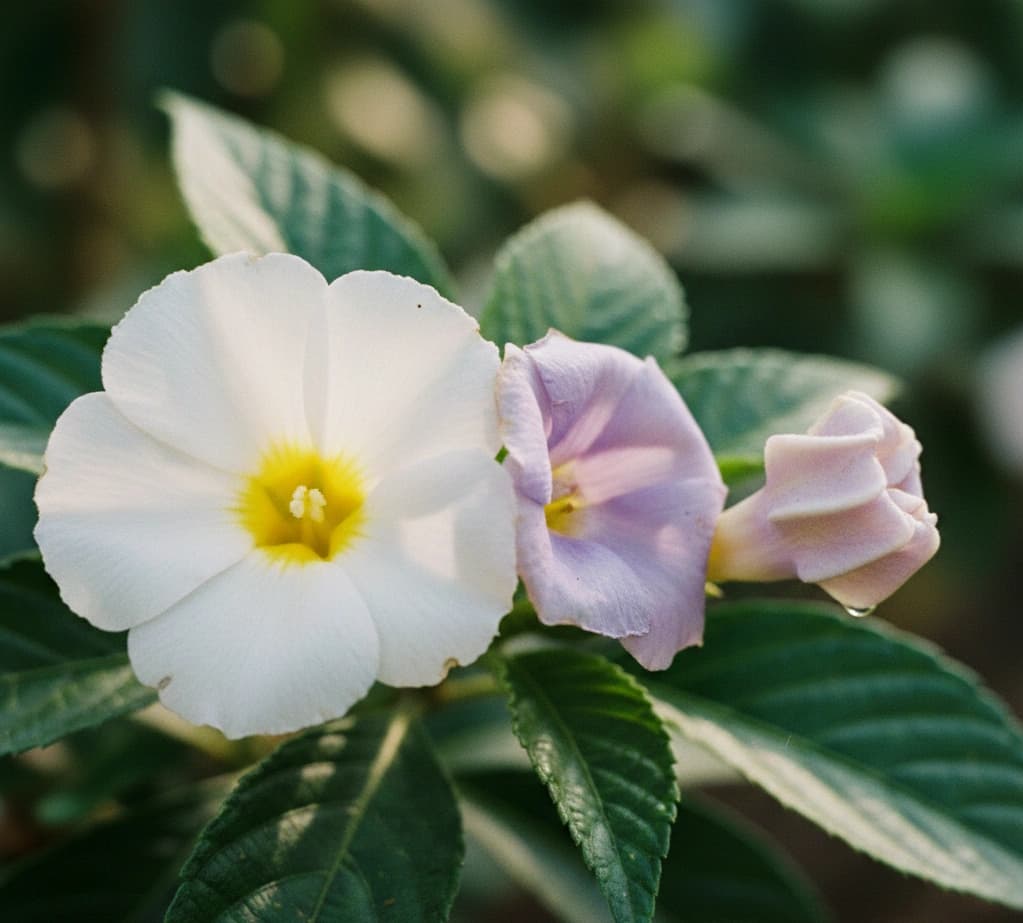
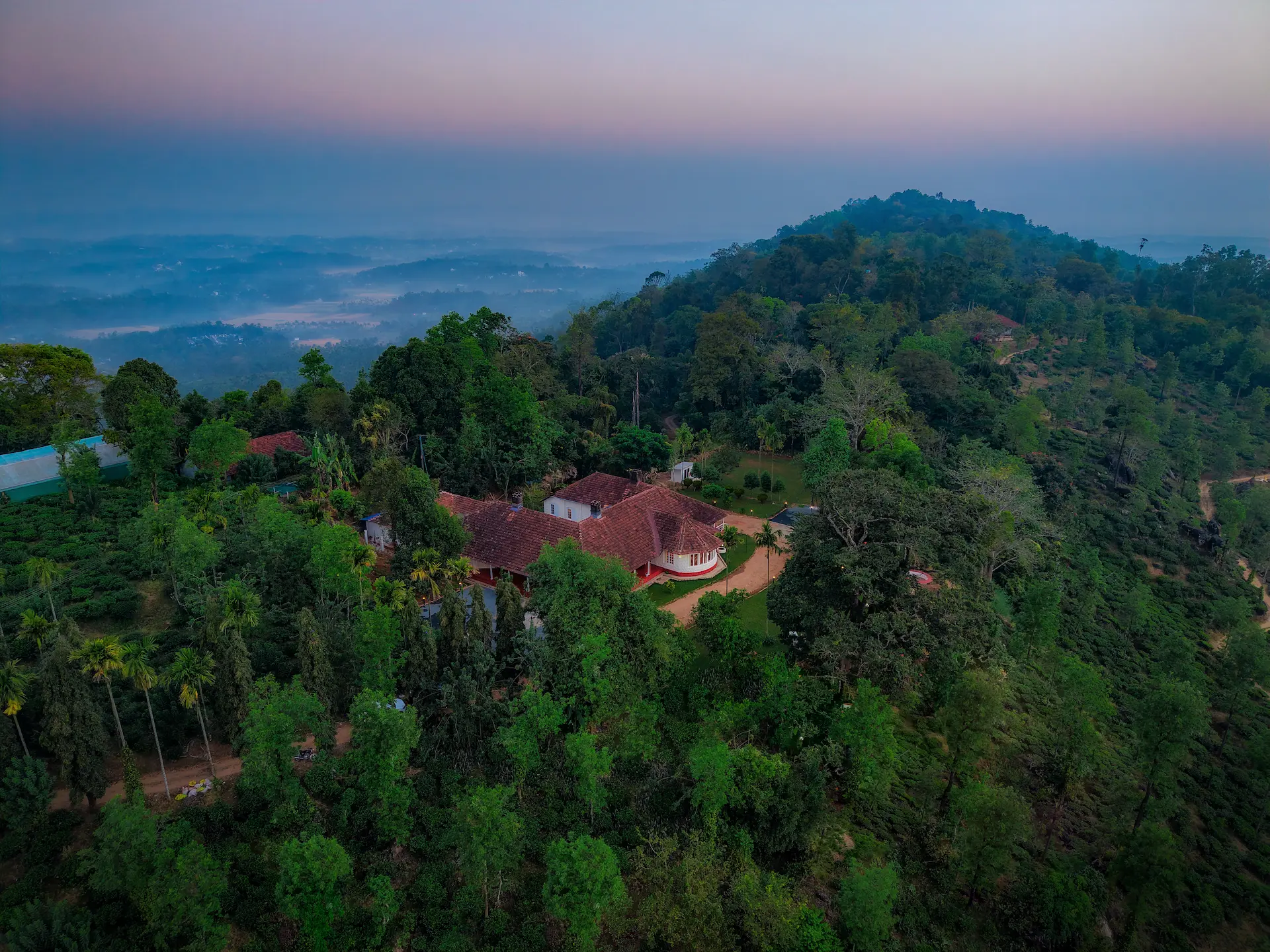
The Flower That Changes with Time. In the garden of The Hundred House by Kisah Stays there is a shrub that tells time without a clock. It is called Brunfelsia uniflora, though most people know it by its more poetic name, Yesterday Today Tomorrow. The name is not metaphor alone. The flower truly changes colour over three days. On the first day it blooms a deep violet. By the second day it softens into lavender. By the third, it fades into white. Three colours on the same plant at the same time, like memory, presence and possibility standing side by side. We planted Yesterday Today Tomorrow at The Hundred House because this bungalow lives in all three tenses. Yesterday is in its walls, in its fireplaces, in the stories of plantation workers and monsoon seasons that passed long before us. Today is in the restoration, in the guests who walk through tea-scented mornings, in conversations that stretch across the lawn at dusk. Tomorrow is in what will continue long after we are gone, in trees growing taller, in footsteps yet to arrive. The flower mirrors this philosophy quietly. It does not rush its transformation. It simply becomes. Violet to lavender to white. Nothing dramatic, only change made visible. In a place surrounded by the ancient hills of Wayanad, where even the land itself has travelled continents in geological time, this small flowering shrub becomes a gentle reminder that everything moves forward, even when it appears still. Guests often notice the three shades at once and ask how it is possible. The answer is simple and profound. Time exists together. What bloomed yesterday still stands beside what blooms today. What will fade tomorrow is already beginning. That is why we planted it. Not just as an ornamental flowering plant in Wayanad’s climate, but as a living symbol of continuity. At The Hundred House, yesterday is honoured, today is experienced, and tomorrow is quietly being prepared. The flower makes this visible in colour.