 CUISINE
 HISTORY
 JOURNALS
 PEOPLE
 CONSERVATION
Why Kerala Has Not Yet Reached Its Full Tourism Potential

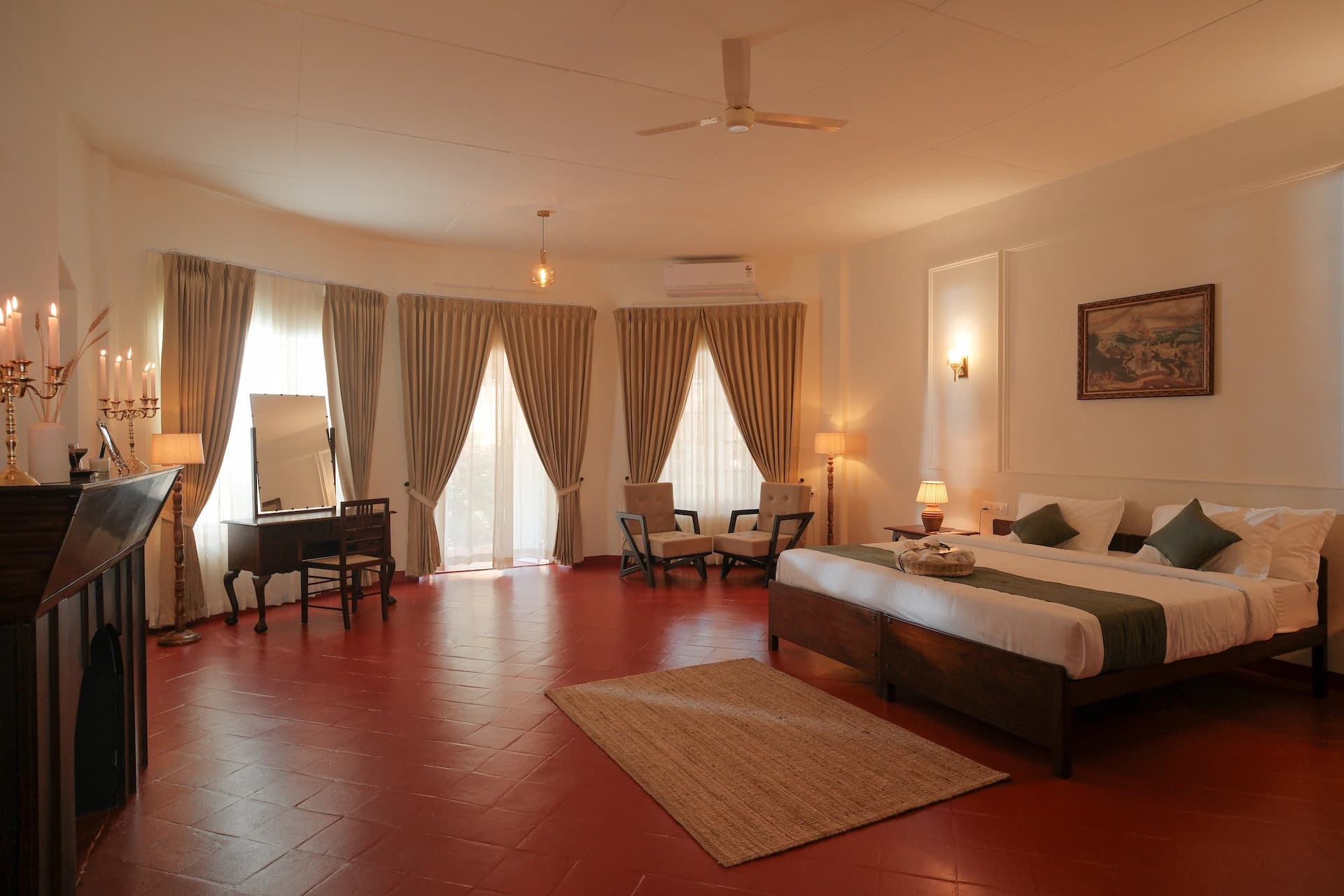
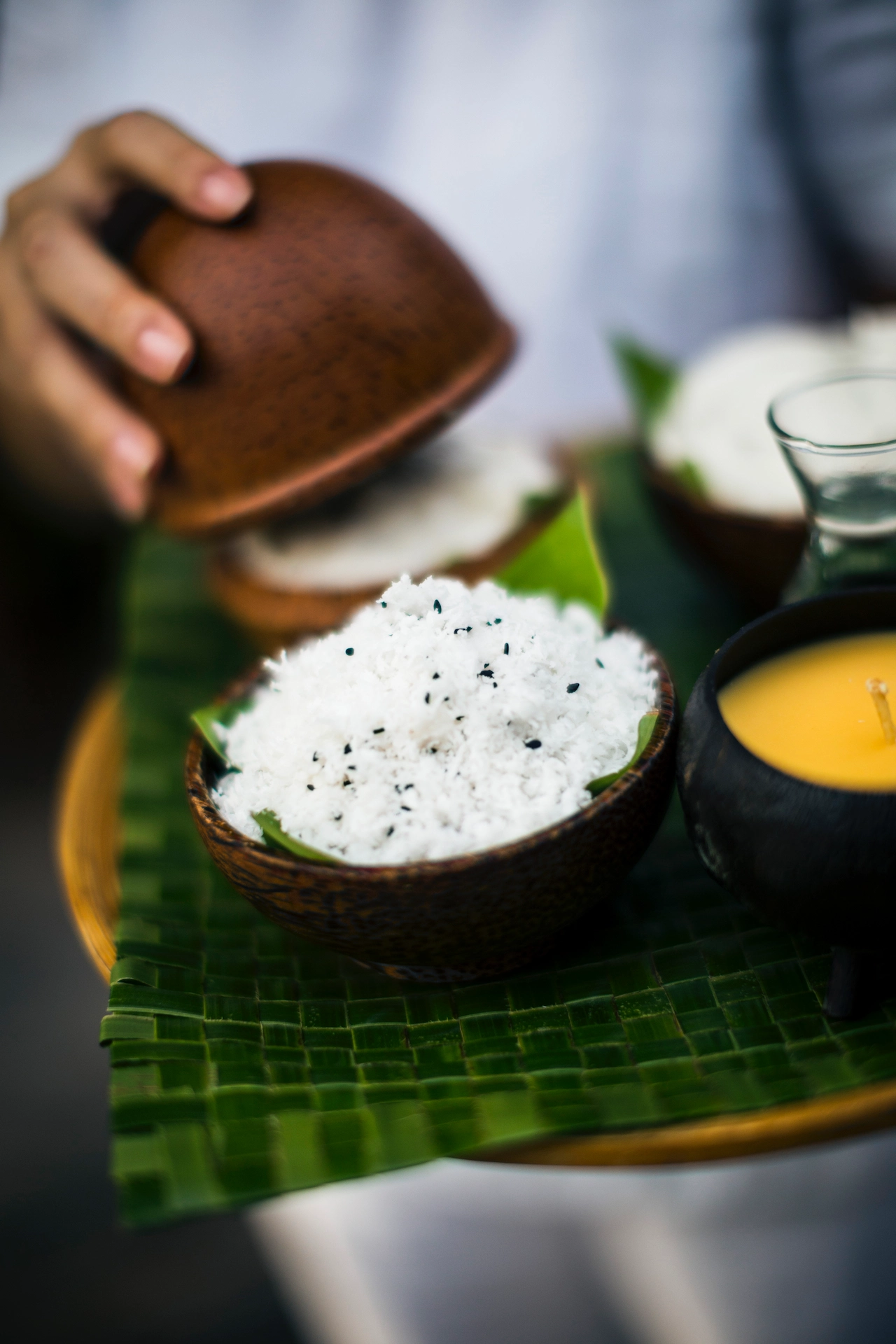
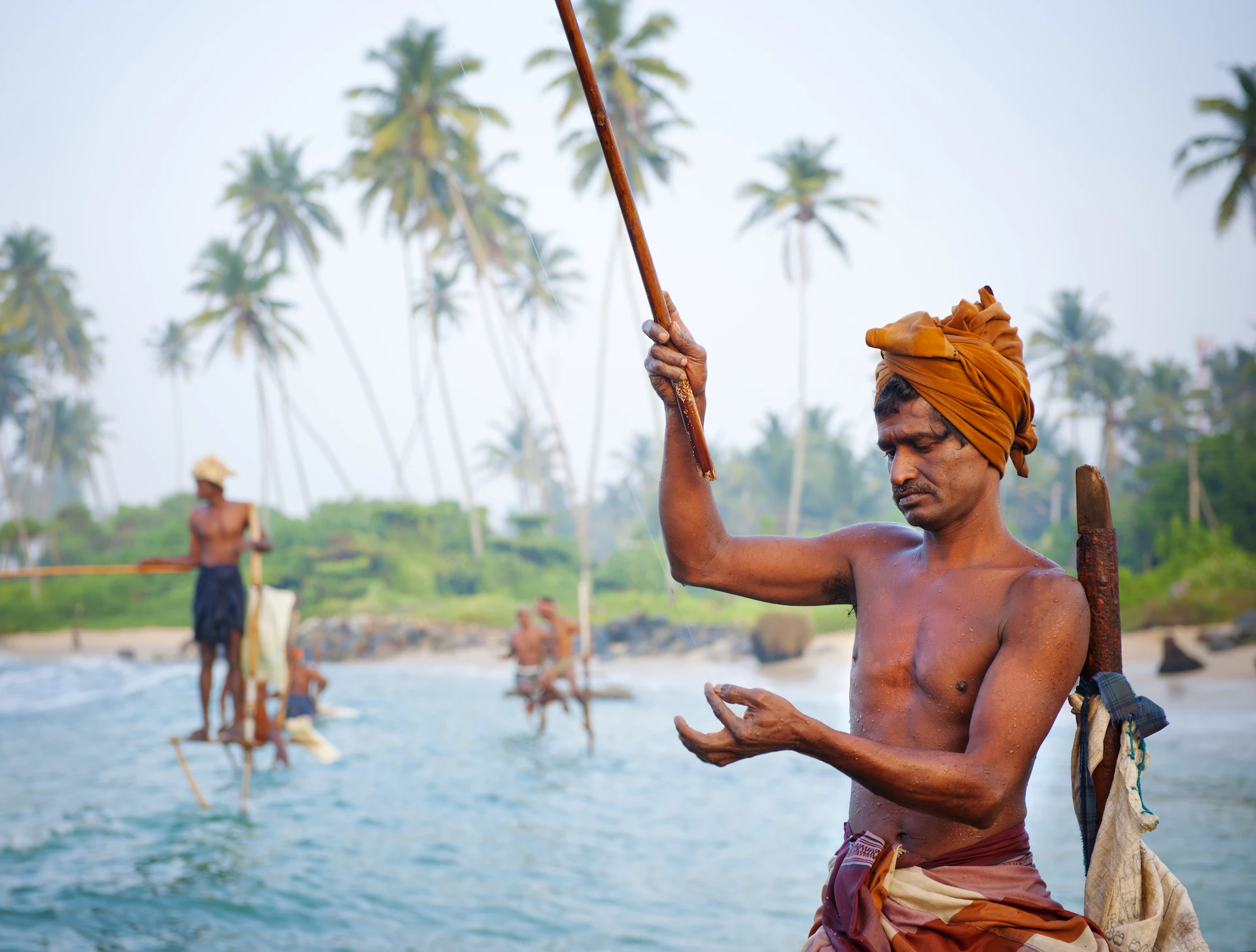
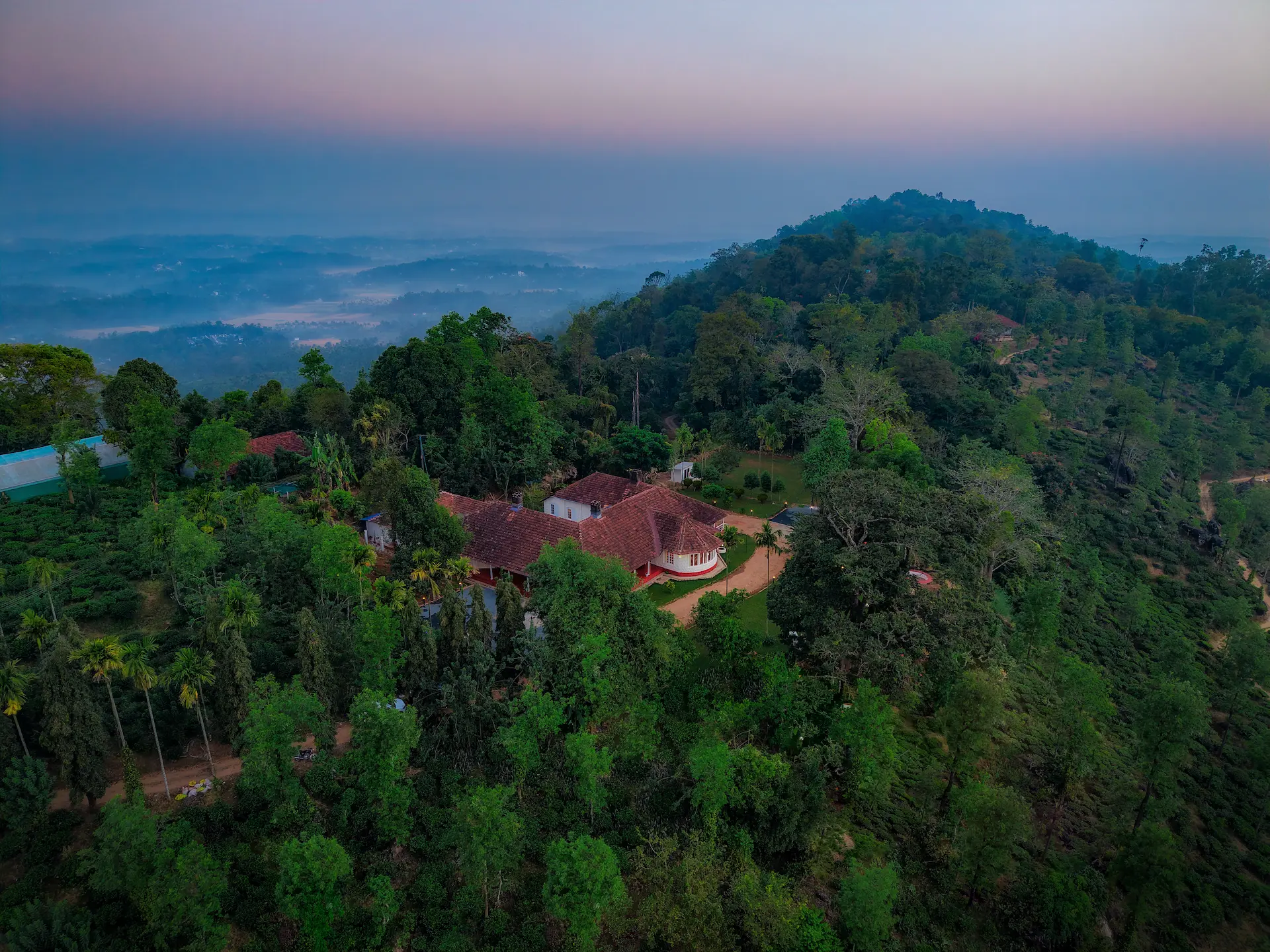
Kerala is often called God’s Own Country. The phrase is beautiful, almost dangerous in its perfection. Because when something is named divine, people assume it has already arrived. But Kerala has not yet arrived at its full tourism potential. It lingers somewhere between immense promise and incomplete execution. The state holds everything a global traveller seeks. Backwaters in Alappuzha that glide like silver threads through coconut groves. Mist-covered tea estates in Munnar. Wildlife corridors in Wayanad. Colonial streets and layered maritime history in Fort Kochi. Ayurveda traditions that predate modern wellness by centuries. Cuisine shaped by Arab, Persian, and European exchange. High literacy. Cultural depth. Political awareness. And yet, the world still knows Kerala in fragments. One reason lies in infrastructure that does not always match aspiration. Roads to extraordinary places can be narrow and unpredictable. Airport connectivity, though improving, is not yet positioned as seamlessly as competing Asian destinations. Public transport rarely feels curated for tourism. When accessibility is inconsistent, experience becomes fragile. Another reason rests in marketing. Kerala’s tourism campaigns once set benchmarks in storytelling, but global competition has grown sharper. Countries now invest aggressively in digital visibility, influencer circuits, cinematic promotion. Kerala still carries poetic branding, but the messaging often feels static, repeating backwaters and Kathakali while underrepresenting tribal heritage, contemporary art, plantation life, culinary trails, and boutique heritage stays. There is also the tension between sustainability and scale. Kerala is ecologically sensitive. The Western Ghats are fragile. Monsoons are unpredictable. Overdevelopment threatens the very charm travellers come seeking. Houseboats crowding backwaters, plastic creeping into hill stations, unregulated construction in highlands. Tourism cannot grow blindly here. It must grow intelligently. That balance has not always been carefully maintained. Service culture, though warm, can be inconsistent. Kerala produces an enormous skilled diaspora that works across the Gulf and beyond, yet within the state, hospitality training and guest experience sometimes lack uniform refinement. Small details matter. Clean signage, seamless booking systems, multilingual guides, thoughtful curation. When these are uneven, potential remains untapped. Then there is perception. Kerala is often seen as a honeymoon or monsoon destination, not as an all-season experiential hub. It is not yet positioned globally as a serious adventure circuit, a culinary capital, a heritage trail destination, or a slow travel sanctuary, though it could be all of these. And yet perhaps Kerala’s incomplete arrival is also its quiet strength. It has not surrendered fully to mass tourism. It still wakes slowly. In places like Wayanad, mornings remain mist-heavy and unhurried. In small coastal towns, fishermen still return at dawn before cafés open. There is space here for meaningful travel rather than consumption. Kerala’s full tourism potential will not be reached through bigger resorts alone. It will unfold through better storytelling, stronger infrastructure, preservation of heritage architecture, community-driven experiences, and a sharper global voice that reflects its complexity. The land has already done its part. The mountains stand. The backwaters breathe. The cuisine simmers. What remains is coordination, vision, and belief that Kerala is not merely beautiful, but capable of becoming one of the most thoughtfully curated tourism destinations in the world. Perhaps its greatest potential lies not in becoming louder, but in becoming clearer.