 CUISINE
 HISTORY
 JOURNALS
 PEOPLE
 CONSERVATION
When Avocado City Turned Mango This Season
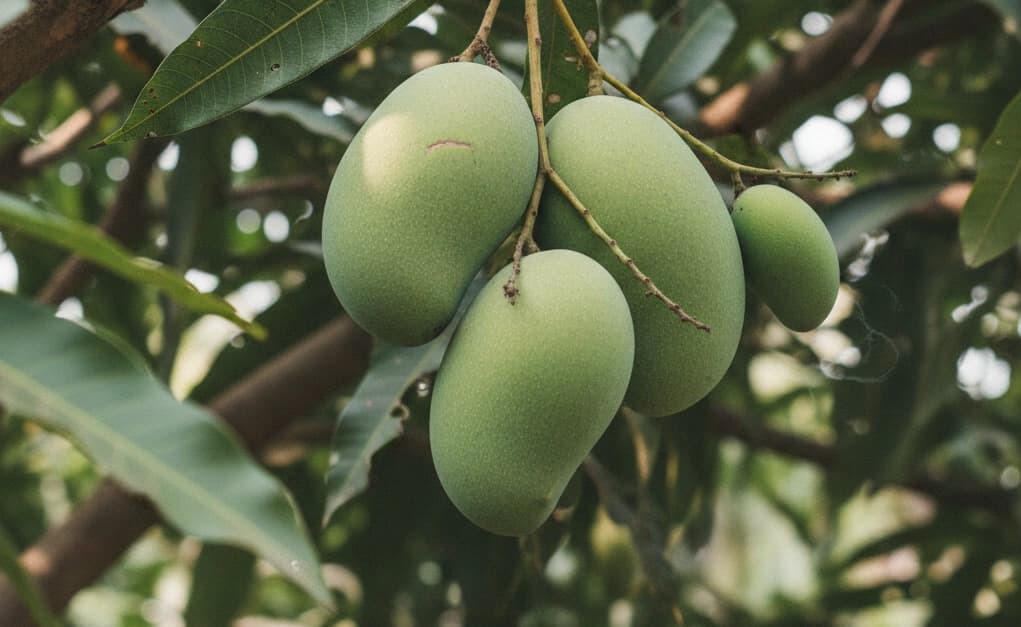
They call Ambalavayal Avocado City for good reason. This patch of the Western Ghats has made a name for itself with buttery avocado orchards that cascade down the hillsides and fill markets with creamy green harvests. But this season, the hills whisper a different tale. Everywhere you look there are mangoes. Branches sagging under thick fruit clusters, golden globes peeping through glossy leaves, roadside trees dripping bounty onto dusty paths. It’s as though the land has declared itself mango first, avocado second and it’s not just imagination. Across many fruit-growing regions, abundant mango crops this year reflect unusually favourable conditions during the flowering phase. In parts of India such as Karnataka’s mango belt, cold snaps during the crucial flowering months helped produce profuse blossoms, setting the stage for a bumper harvest ahead. In Kerala and Tamil Nadu, too, growers have noted mango trees starting to flower earlier than usual, sometimes as early as December and January. A shift from traditional patterns that can lead to heavier yields. Meteorological quirks play a quiet but profound role. The interplay of temperature, rainfall and dry spells during the pre-flowering months can dramatically influence how many flowers form and how many of those flowers turn into fruit. A cool and dry flowering period helps conserve energy in the tree and supports better pollination, while timely sunshine keeps fruit set healthy and stable. In ecological terms, it’s not that the mango trees suddenly decided to produce more. They responded to a subtle alignment of climatic cues, a kind of whisper from the weather that said, now is your time. It’s the same why mango showers, the pre-monsoon rains famous in southern India, historically signal early ripening and nurture fruit development across the region. For locals this season feels almost poetic. Ambalavayal’s identity has long been tied to avocado. The rich green fruit that gave the town its affectionate nickname. Yet here, in the space where soil and sky meet, nature is reminding us that identity in the natural world is fluid. A hill known for one crop can embrace another when conditions are right. The mango season brings its own memories. The smell of raw mango sprinkled with chilli salt. The sticky sweetness on elbows in the evening. Children arguing over the juiciest slice. It is more than a harvest; it is a season written into culture, imagination and seasons themselves. So when Avocado City turns mango, it is not contradiction or confusion. It is celebration. A reminder that the land has agency and sometimes it offers abundance the way a generous host offers an unexpected second course. Maybe next year the avocados will dominate again. Maybe not. This year, the hills are heavy with mango, and that sweetness is everywhere.