 CUISINE
 HISTORY
 JOURNALS
 PEOPLE
 CONSERVATION
Wellness of Kerala: Health Beyond the Physical
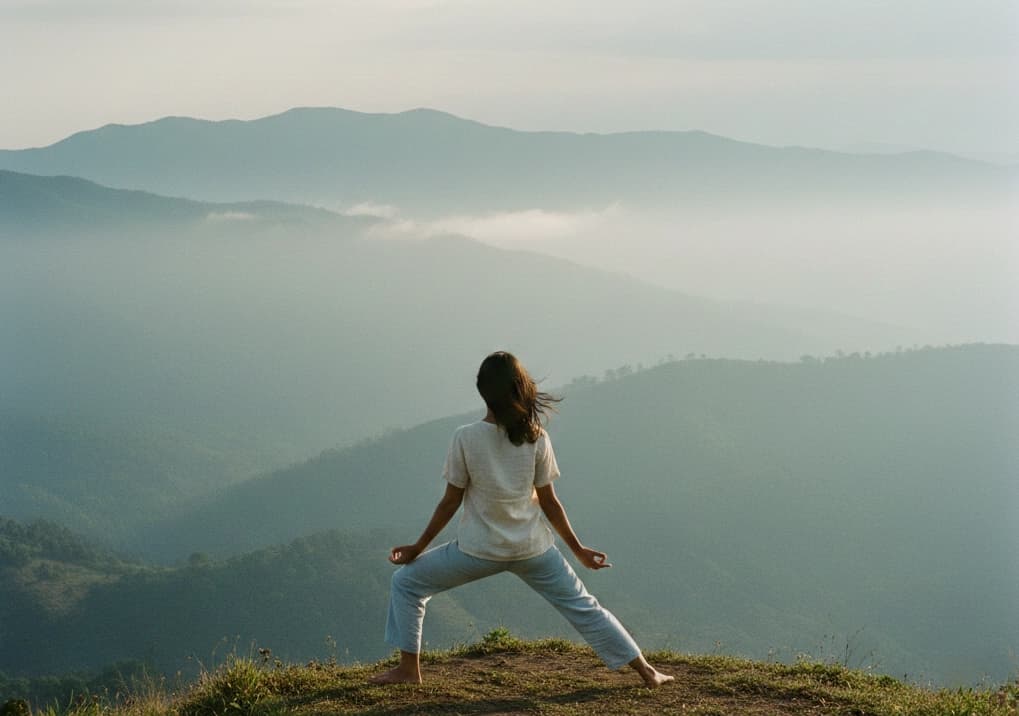
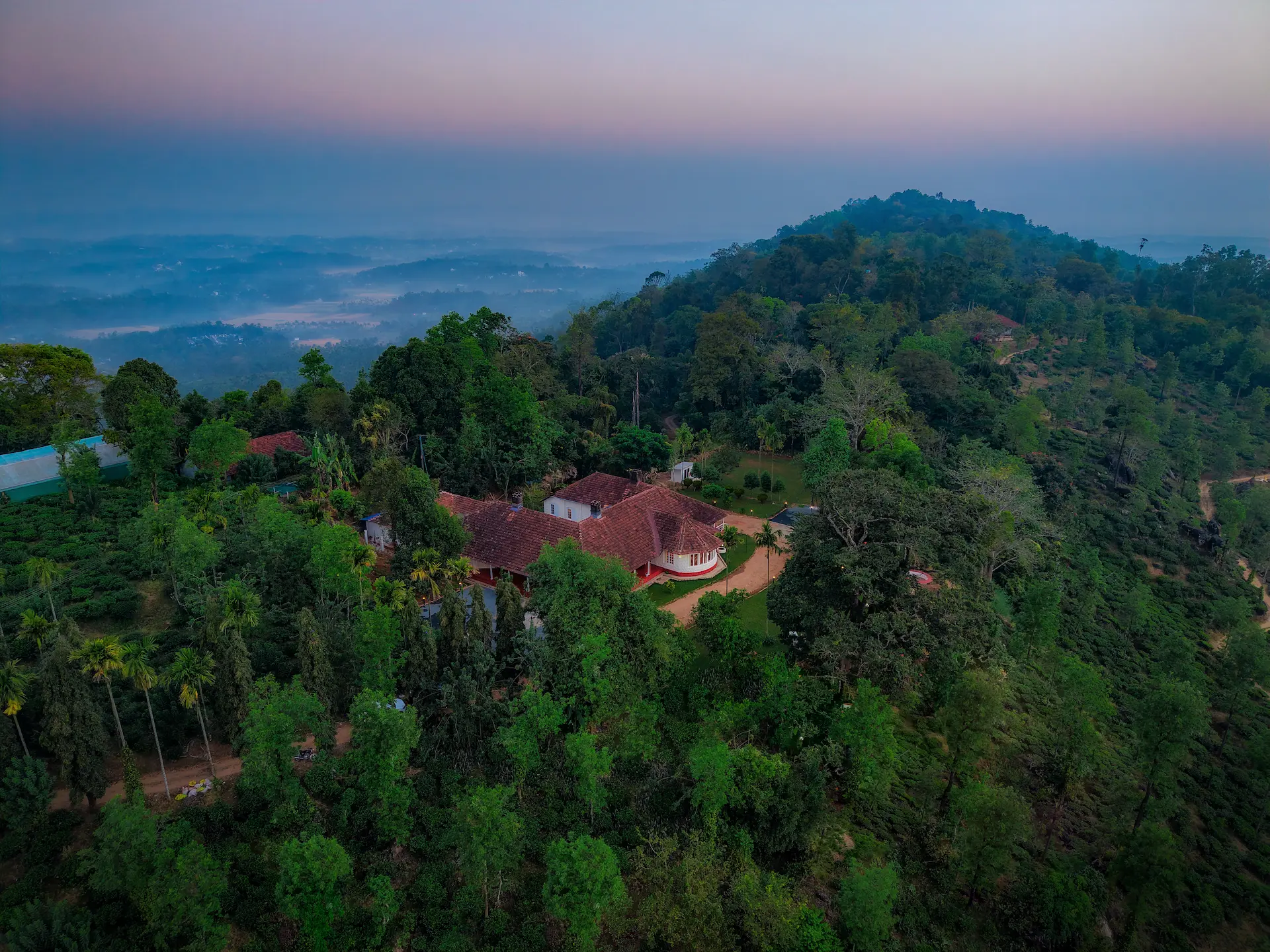
In Kerala, wellness was never invented as an industry. It grew like a medicinal plant in monsoon soil. Quietly. Persistently. Without announcement. Long before the word spa entered brochures, Kerala practiced a form of health that refused to separate body from breath, mind from season, food from climate. The foundations lie in Ayurveda, a system of medicine whose classical texts date back more than two millennia. While Ayurveda flourished across the subcontinent, Kerala became one of its most disciplined custodians. Palm-leaf manuscripts were preserved in traditional households. Lineages of vaidyas carried forward formulations of oils, decoctions, and therapies refined over generations. Wellness here has always meant alignment. The human body is seen as a landscape governed by balance among elements. Treatment is not a quick correction but a process. Oil warmed and poured in steady rhythm. Steam rising from herbal bundles. Diet adjusted according to constitution and season. The Western Ghats provided raw material, roots, leaves, bark, minerals. The monsoon season, especially, was considered ideal for deep rejuvenation therapies, when pores opened and the body responded more readily to treatment. Historical records from travellers and colonial observers often mentioned Kerala’s distinctive healing traditions. European accounts from the seventeenth and eighteenth centuries describe local physicians skilled in bone setting and herbal medicine. Even during British rule, traditional medicine continued alongside Western practices, not erased but adapted. Yet wellness in Kerala extends beyond Ayurveda. The geography itself participates in healing. Backwaters move slowly, encouraging breath to slow with them. Hill stations such as Wayanad and Munnar offer elevation, cooler air, and silence broken only by birds. Coconut groves filter light into soft green calm. Rain arrives not as inconvenience but as cleansing force. Food is another dimension of health. Meals served on banana leaves balance taste with digestion. Coconut, turmeric, curry leaves, black pepper, fermented rice preparations, all hold medicinal logic within culinary tradition. Eating is not separate from healing. It is part of it. In recent decades, Kerala’s wellness identity has evolved. Structured Ayurvedic resorts emerged. Government-supported certification systems sought to protect authenticity. Yoga integrated into retreat spaces. International travellers began arriving not for sightseeing alone, but for restoration. And now, a new chapter is unfolding. Digital exhaustion has become the modern ailment. Screens glow longer than sunsets. Notifications replace silence. In this climate, Kerala’s slow landscapes offer something radical. Absence. In forest-fringed estates and riverside retreats, digital detox is not marketed as novelty but practiced as return. Phones rest in drawers. Mornings begin with mist rather than messages. Conversations extend without interruption. True wellness here does not promise transformation in three days. It suggests recalibration. Walks through pepper vines. Tea brewed with fresh ginger. Evenings lit by lamps instead of LED glare. Sleep that deepens because night is allowed to be dark. Kerala’s approach to health has survived because it was never only about the body. It recognized early that rest is medicine. That touch can heal. That climate influences temperament. That silence is not emptiness but nourishment. In a world accelerating toward burnout, Kerala stands as a reminder that healing is not always an addition. Sometimes it is subtraction. Less noise. Less urgency. Less artificial light. And in that quiet subtraction, something essential returns.