 CUISINE
 HISTORY
 JOURNALS
 PEOPLE
 CONSERVATION
Top Places to Visit in Wayanad
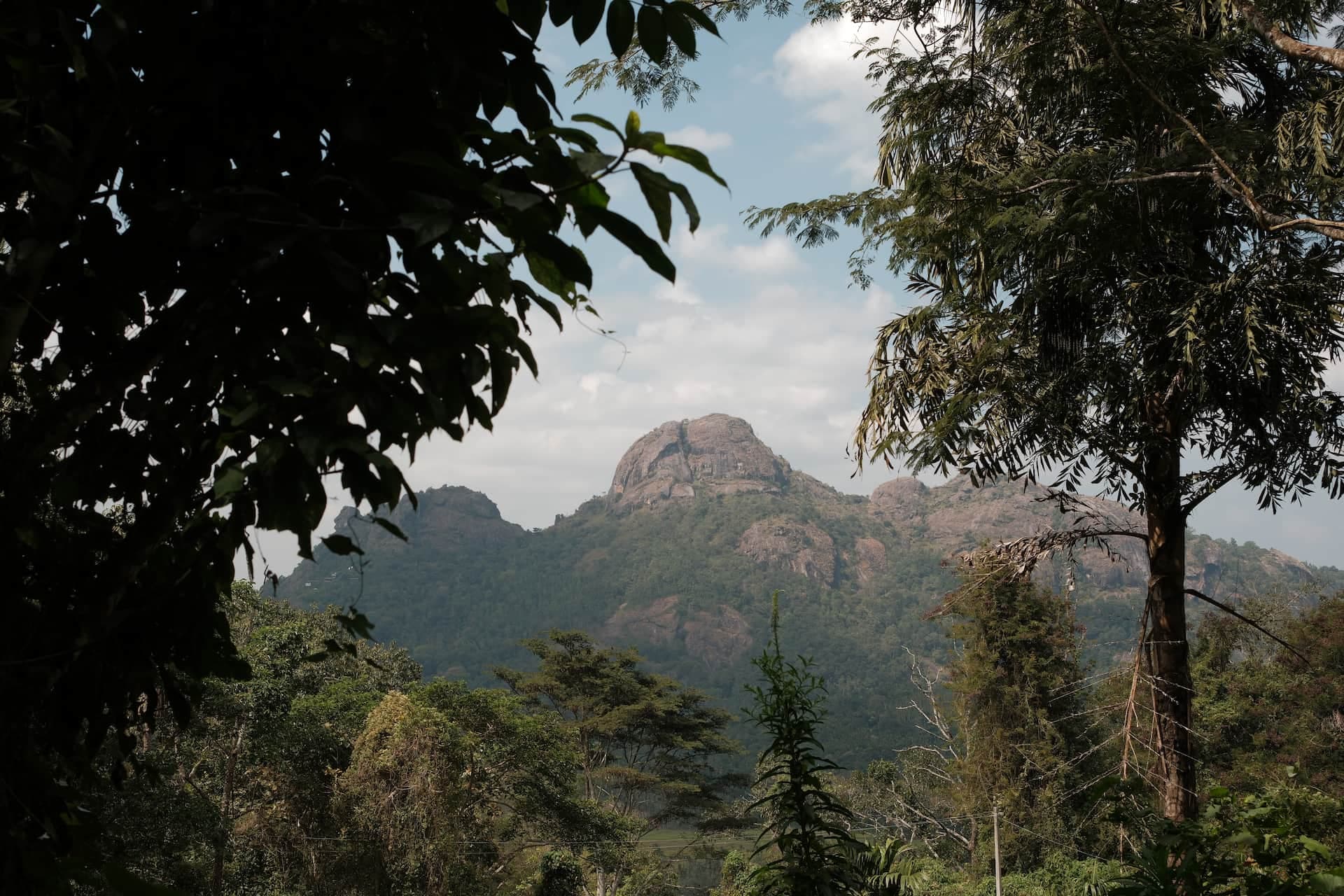
Wayanad is not a destination you rush through. It unfolds in layers of mist, forest, rock, and water. Tucked into the Western Ghats of Kerala, this highland district carries ancient human markings, colonial echoes, and wilderness that still feels unclaimed. Among the most compelling sites is Edakkal Caves, where prehistoric petroglyphs carved into stone surfaces date back thousands of years. These are not conventional caves but fissures formed by massive rock formations. Climbing up through forest paths to reach them feels like ascending into time itself. The carvings, human figures, symbols, animals, remain etched with a stubborn clarity, reminding visitors that Wayanad’s story began long before plantations and borders. For those drawn to panoramic landscapes, Chembra Peak rises as one of the highest points in the region. The trek moves through grasslands and mist, leading to the heart-shaped lake that rests midway, a natural basin that seems almost imagined. From the summit, the Western Ghats roll outward in endless green folds, tea estates and forests blending into horizon. Water finds its grand expression at Banasura Sagar Dam, one of the largest earthen dams in India. Set against hills that mirror themselves in still water, the reservoir expands like a quiet inland sea. Small islands rise from its surface during summer, creating a landscape that feels both engineered and wild. It is a place where geology and human ambition meet without disturbing the serenity of the hills. Then there is Soochipara Waterfalls, also known as Sentinel Rock Waterfalls. Water cascades down in white ribbons through dense forest, pooling at the base in clear basins. The descent to reach it passes through tea plantations and shaded paths, the air gradually cooling as the roar grows louder. It is not just a waterfall but an immersion into the elemental sound of falling water. For those seeking encounters with wildlife, the Wayanad Wildlife Sanctuary offers forest drives through stretches of protected woodland connected to the Nilgiri Biosphere Reserve. Herds of deer move like shifting light between trees. Elephants cross roads with unhurried authority. Birdsong fills the canopy. It is one of the few places where the forest still feels sovereign. Wayanad does not compete for attention with spectacle. Its beauty is quieter, layered in archaeology, ecology, and memory. Each site reveals a different dimension of the district, from ancient carvings to engineered reservoirs, from mountain peaks to protected wilderness. Together they shape Wayanad not merely as a tourist destination, but as a landscape where history and nature continue to coexist.