 CUISINE
 HISTORY
 JOURNALS
 PEOPLE
 CONSERVATION
Sultan’s Battery
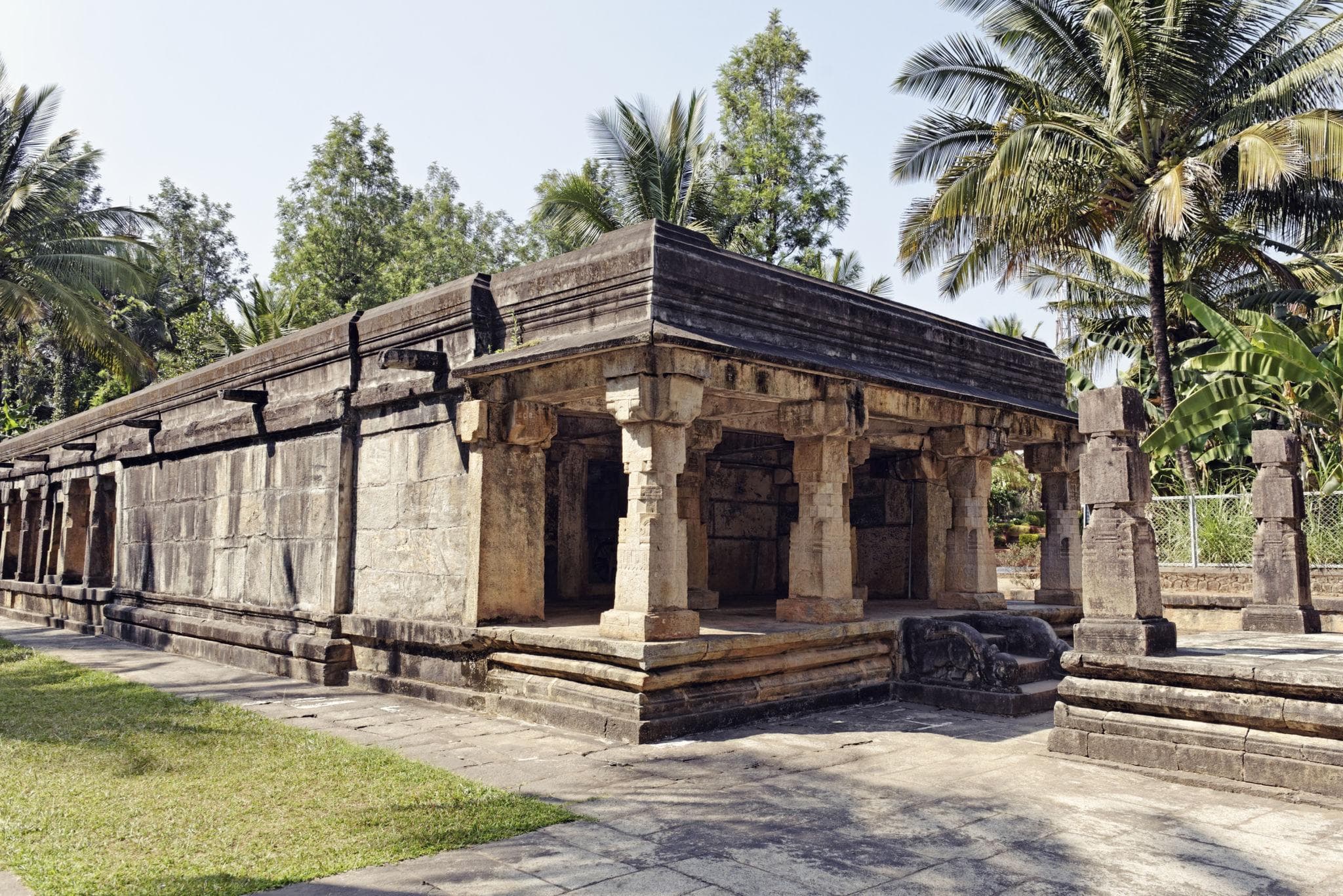
There is a town in Wayanad where history does not sit inside museums. It breathes in the mist. It leans against mossed stone. It lingers in the silence between two birdsongs. Sultan Bathery was once called Sultan’s Battery, a name given by Tipu Sultan, who is believed to have used the ancient Jain temple here as an ammunition depot during his campaigns in Malabar. “Battery,” they say, came from the storing of weapons. But the word feels too loud for a place that now holds only wind and memory. Before the gunpowder, before the marching boots, the temple stood in quiet devotion. Built in the 13th century, it is one of the finest surviving Jain shrines in Kerala. Granite blocks interlocked without drama. Pillars carved with patience. A geometry that feels less constructed and more grown, as if the hill itself decided to shape a sanctuary. You can touch the walls and feel centuries hum beneath your fingertips. No plaques will shout dates at you. No grand arches will try to impress. This is architecture that speaks softly, like an elder who knows stories are powerful only when told without noise. In the afternoons, light enters through narrow openings and settles gently on the stone floor. Lizards dart like punctuation marks across paragraphs of shadow. The temple does not demand reverence; it invites stillness. And in that stillness, you begin to hear it. The layered histories of Wayanad. Jain monks who once walked barefoot across these courtyards. Soldiers who stacked ammunition where prayers once rose. Farmers who later leaned their bicycles against the same ancient walls. The town around it has grown tea shops, small stores, bus horns, schoolchildren in uniform. Yet the temple remains, unhurried. It has survived belief, conquest, neglect, and curiosity. It has watched names change. There is something profoundly Wayanadan about Sultan Bathery — this quiet coexistence of memory and mist. It reminds us that history here is not a straight line. It is a forest path. It curves. It disappears. It returns when you least expect it. When guests from Kisah walk through Sultan Bathery, they are not merely visiting a monument. They are stepping into a conversation between faith and force, between stone and silence. The name may carry the echo of cannons, but what lingers today is something gentler, a reminder that even places once claimed by power eventually return to stillness. And if you stand there long enough, you will feel it, not the weight of history, but its breath.