SM Street : Sweet Meat Street
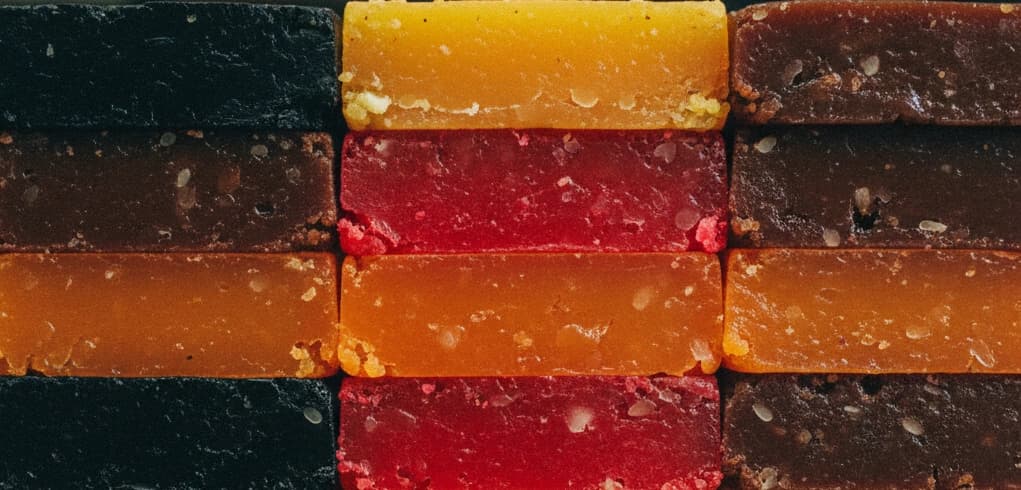
In the middle of Kozhikode there is a street that does not merely sell things. It performs them. The air itself feels sugared. The sounds overlap like a chorus. This is SM Street, known locally as Mittai Theruvu, which translates to Sweet Meat Street. A name given during colonial times, when British officers tasted local confections and decided the entire road must belong to sweetness.
SM Street is not grand in width, yet it holds centuries. Traders from Arabia once docked along the Malabar Coast, bringing spices, textiles and stories. Kozhikode, once ruled by the Zamorins, was already a thriving port long before European ships appeared on the horizon. The commerce that flowed through the harbour eventually found its rhythm here, between rows of shops that still stand shoulder to shoulder.
Walk through it in the evening and you will understand why it remains one of the most visited streets in Kerala. Halwa glows in jewel tones inside glass cases. Banana chips crackle in hot oil. The scent of ghee, roasted cashews and fresh textiles mixes with the metallic hum of shutters and scooters waiting at either end. Old establishments share walls with new brands. Tailors measure fabric beside modern retail stores. The past negotiates gently with the present.
SM Street survived fires, renovations and the slow transformation of Kozhikode into a modern city. Yet it retains a certain intimacy. Shopkeepers remember regular customers. Conversations stretch longer than transactions. During festivals the street becomes almost theatrical, strung with lights and filled with families who have walked this path for generations.
It is more than a shopping destination in Kozhikode. It is a cultural corridor. A place where Malabar’s trading legacy continues in everyday gestures. Where language shifts between Malayalam, Arabic influenced slang and English without effort. Where history is not displayed in museums but folded into paper packets of halwa and wrapped around parcels of cloth.
If you want to understand Kozhikode, you do not begin with monuments. You begin here. On SM Street, where sweetness became geography and trade became tradition.
Did this story stay with you?
Keep reading
Two stories each from history, people, food and Kerala, chosen by the team.
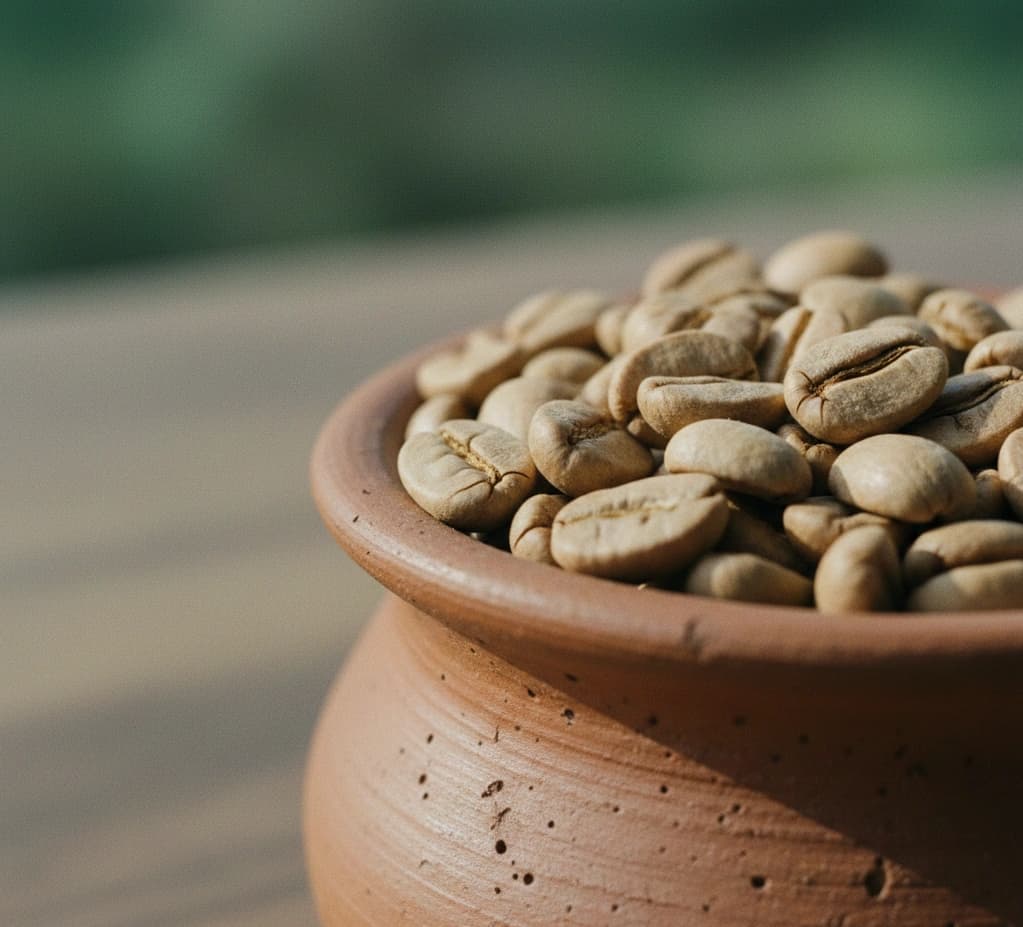
Malabar tables, monsooned coffee, sweet streets and strange, perfect pairings.
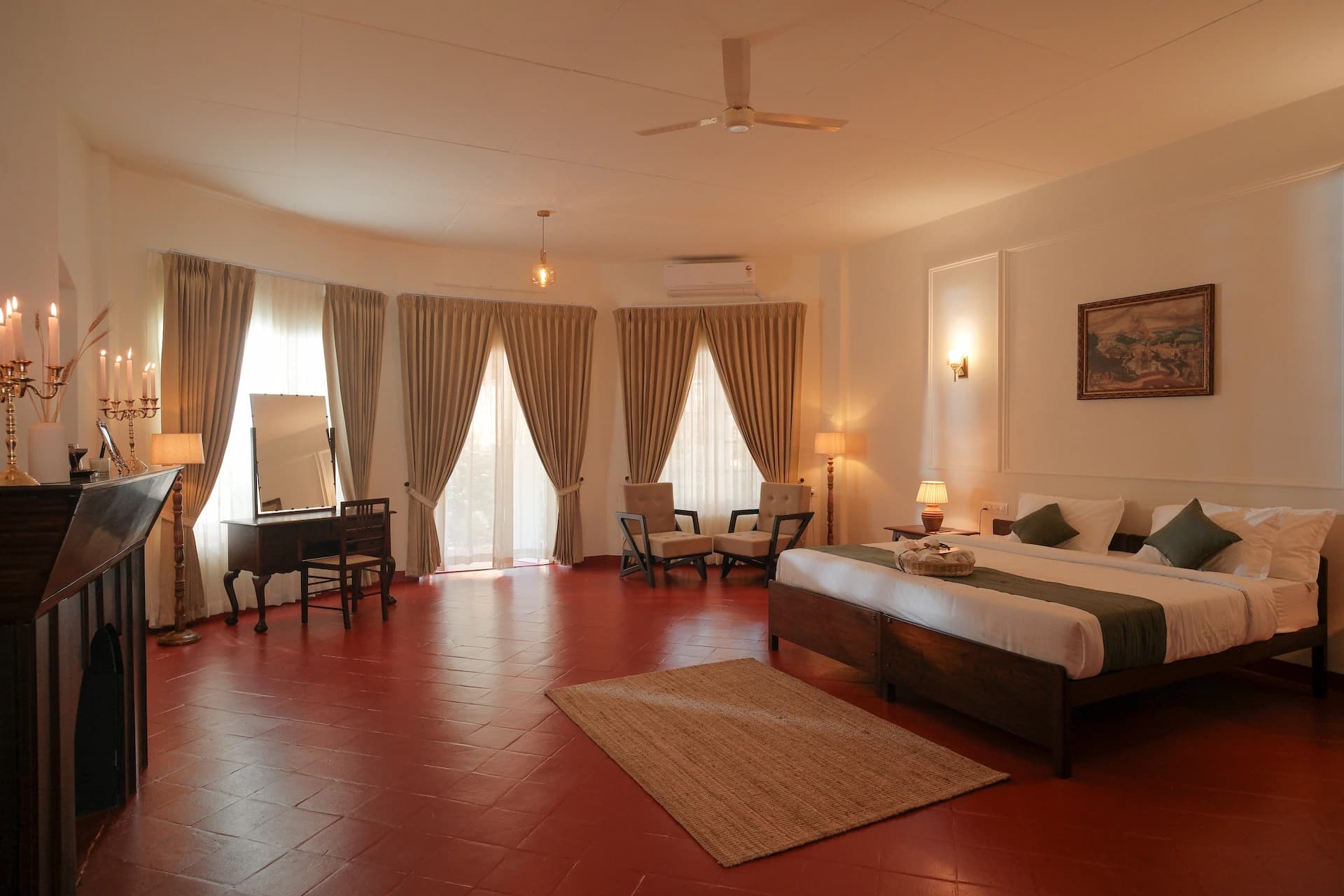
 A Table That Remembered MalabarAt The Hundred House, some evenings arrive with intention. Not loud, not announced, but carrying a quiet idea waiting to unfold. Kisah Stays has…
Trade winds, faiths that came by sea, the houses and the hands that built them.
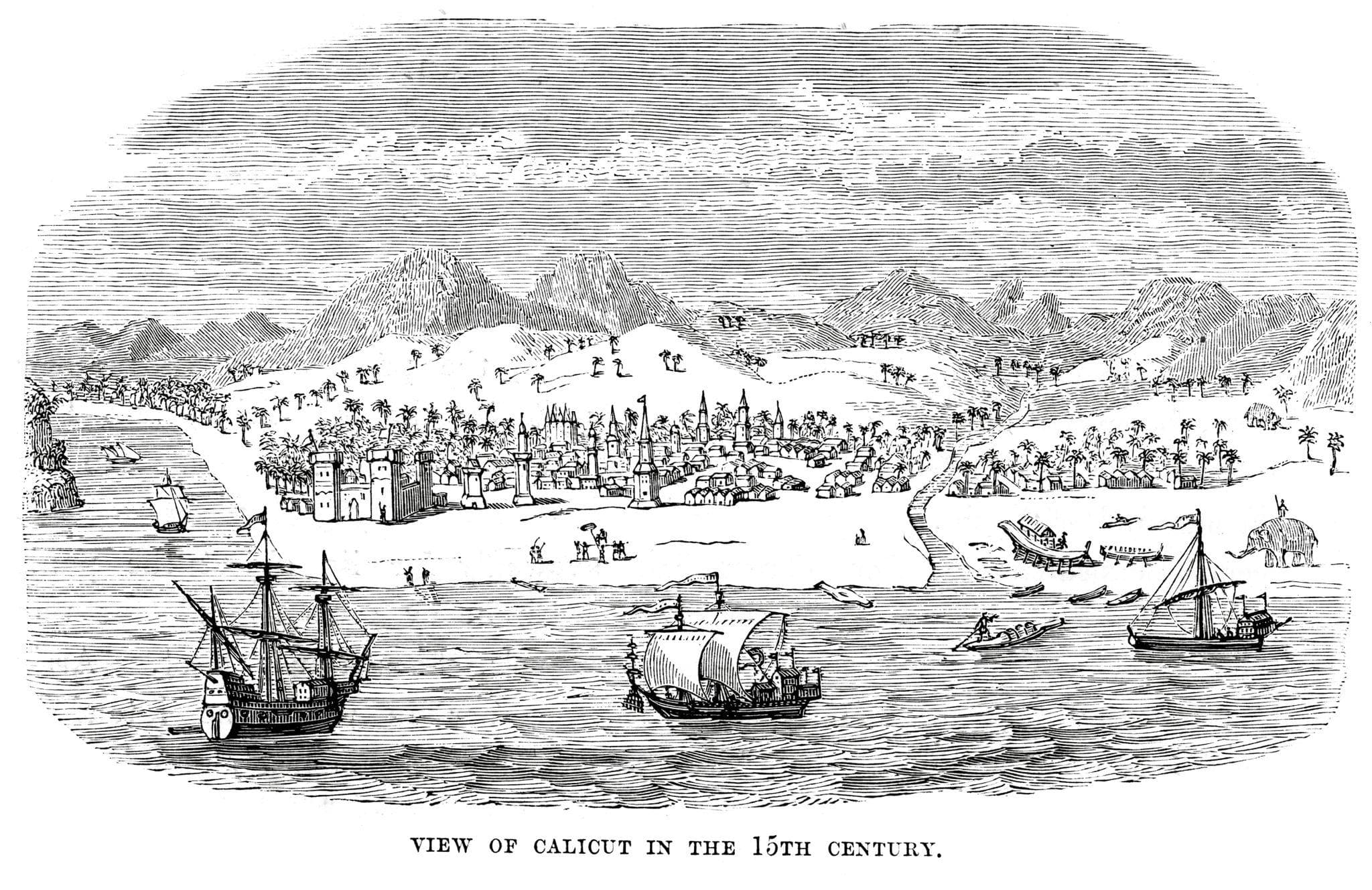 History of Arab Trade in MalabarBefore Europe rounded the Cape of Good Hope, before cannons announced empire, the Malabar coast was already fluent in Arabic. Along the shoreline of…
The people who keep the houses, and the guests who become part of them.
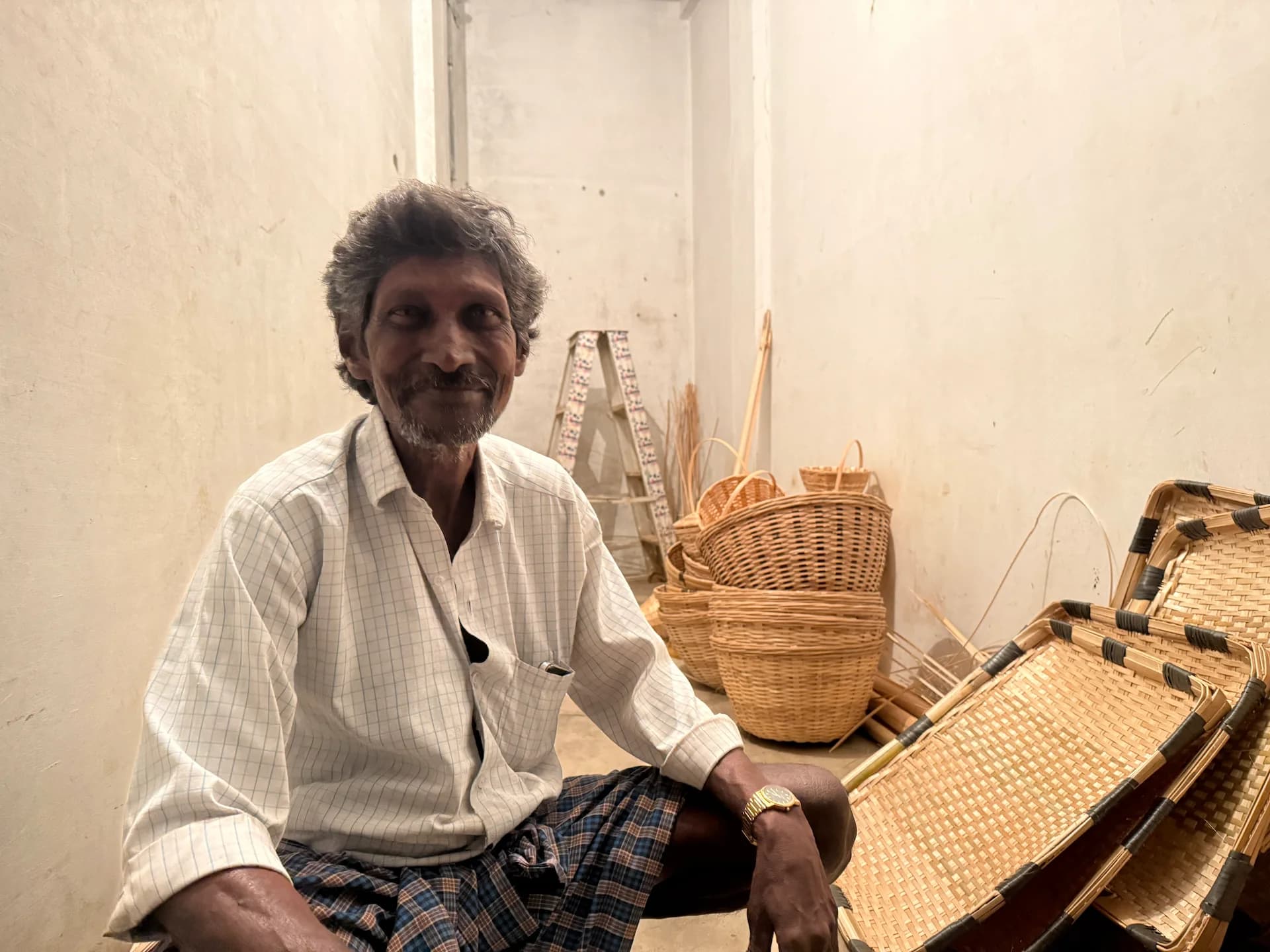 The Hands That Hold Our GuestsThere is a man who sits with a knife and a bundle of eetta, and from his hands comes a small forest. He does not call it craft. He does not call it…
Festivals, football, cinema, theyyam and the way Kerala lives.
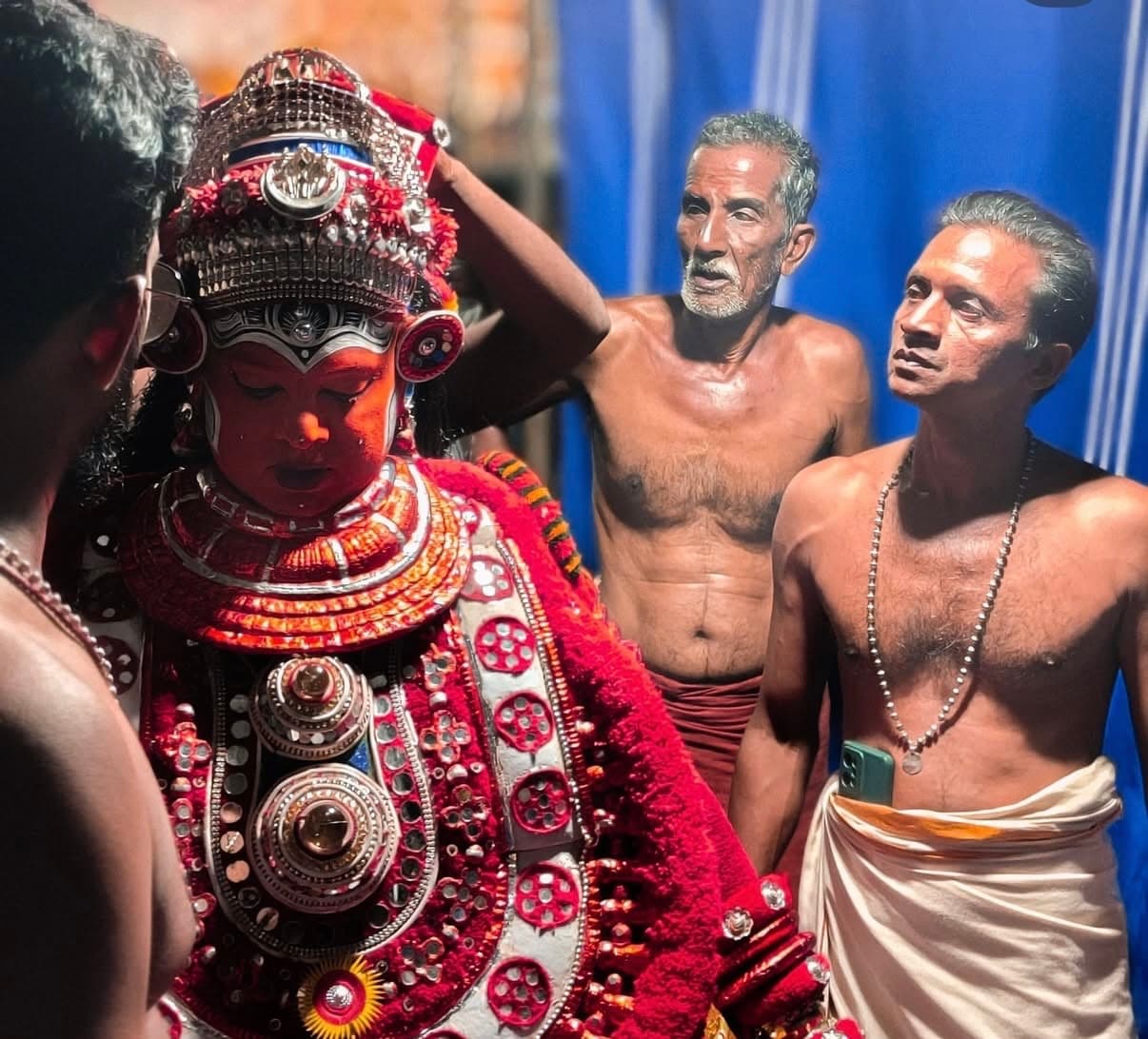 Thira and TheyyamIn the northern districts of Kerala, divinity does not remain distant. It arrives in fire. Thira and Theyyam are ritual performance traditions rooted…

Comments
No comments yet. Stayed with us, or read something you liked? Be the first.
Sign in with Google or your email to leave a comment. No password needed.