 CUISINE
 HISTORY
 JOURNALS
 PEOPLE
 CONSERVATION
Sarbath: The Sweet Pulse of Malabar
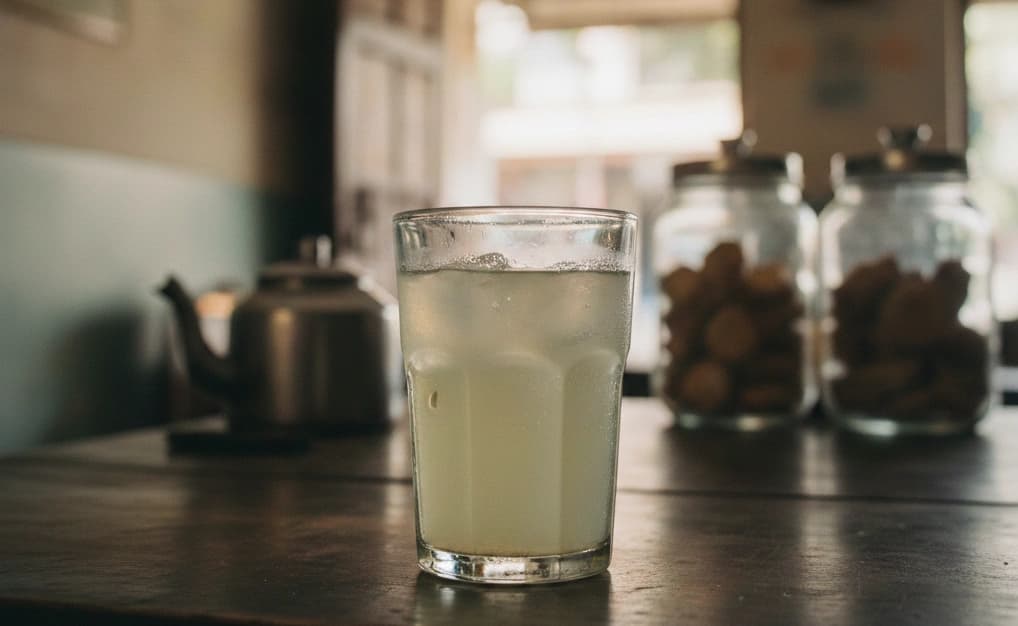
In the heat of a Malabar afternoon, when the sun rests heavily on tiled roofs and the air tastes faintly of salt, there is one word that cools the tongue even before it is spoken. Sarbath. Along the streets of Kozhikode, sarbath is not merely a drink. It is punctuation between hours. Glass tumblers clink against steel counters. Ice cracks like small thunder. Lemon, sugar, and soaked basil seeds swirl into something that feels older than refrigeration and younger than thirst. The word itself travelled. Derived from the Persian sharbat, meaning a sweetened drink, it arrived along maritime trade routes that shaped the Malabar coast. Arab and Persian merchants who anchored on Kerala’s shores brought not only spices and silk but also tastes. Syrups infused with rose, lime, or fruit entered coastal kitchens. Over time, the drink shed formality and settled into the everyday language of tea shops and roadside stalls. Kerala adopted sarbath with improvisation. Lime sarbath became the simplest expression, sharp and bright, often softened with sugar syrup prepared in advance. Soaked sabja seeds, translucent and delicate, float like tiny constellations in the glass. Some vendors add a whisper of ginger. Others stir in crushed mint. In Kozhikode, kulukki sarbath emerged, shaken vigorously in steel tumblers, the motion aerating the sweetness and lifting the citrus aroma. Then came milk sarbath, a Kozhikode invention that refuses to choose between indulgence and refreshment. Sweet chilled milk meets sugar syrup, basil seeds, sometimes a splash of fruit essence, occasionally a ribbon of condensed milk. The result is neither purely dessert nor simple drink. It is comfort disguised as hydration. Creamy but not heavy, sweet yet cooling, milk sarbath feels like summer softened. Unlike packaged beverages, sarbath carries the touch of the person who prepares it. The squeeze of lemon. The rhythm of stirring. The instinctive adjustment of sugar depending on the day’s heat. It is personal hydration. It is craft without declaration. Sarbath also belongs to Ramadan evenings, to iftar tables where fasting mouths meet cool sweetness. It belongs to summer school vacations when children return home dusty and impatient. It belongs to bus stands where travellers pause between journeys, glass in hand, before climbing back aboard. There is something democratic about sarbath. It requires no ceremony. No menu description. No branding. A few ingredients. A cube of ice. A willing hand. It stands as a small example of how Kerala absorbed Persian vocabulary and folded it into Malayalam speech without strain. In a state celebrated for elaborate cuisine and complex spice blends, sarbath remains disarmingly simple. Yet its simplicity is its endurance. Even as cafés modernize and bottled drinks multiply, the roadside sarbath stall persists, loyal to heat and thirst. In that chilled glass, sweet and sharp, rests a fragment of Malabar’s maritime history. A reminder that trade once carried flavour as easily as it carried pepper. And that sometimes heritage is not found in monuments or manuscripts, but in the quiet relief of a cold drink against a burning afternoon.