 CUISINE
 HISTORY
 JOURNALS
 PEOPLE
 CONSERVATION
Sarah Cohen’s Home - Kerala Jew
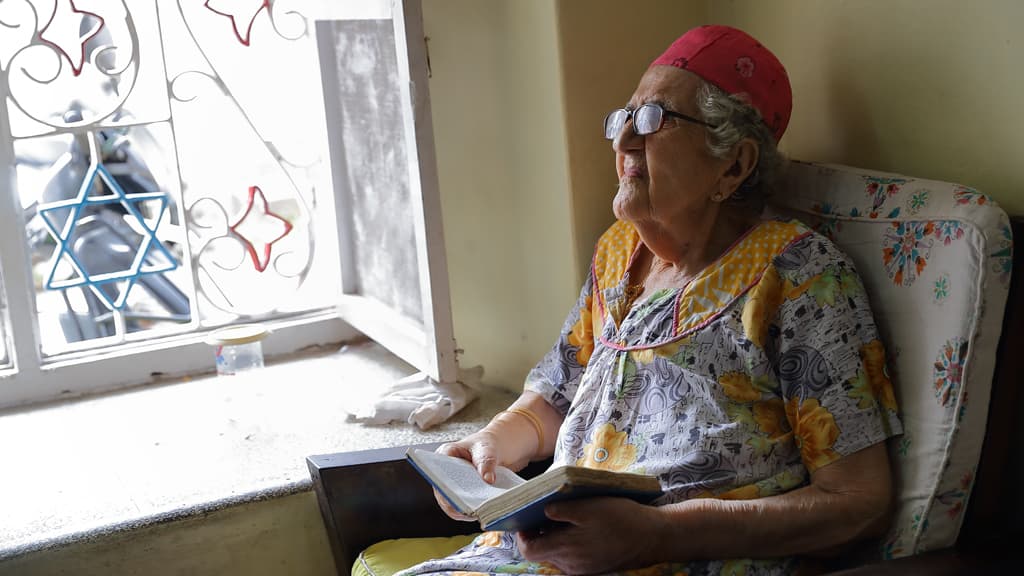
In Mattancherry, near the backwaters of Kochi, there is a narrow stretch of road officially called Jew Street. Locals still call it that without hesitation. The name is not symbolic. It is historical. For centuries, this lane was the heart of Kerala’s Jewish community. At the end of this street stands the Paradesi Synagogue, built in 1568 under the protection of the Cochin Raja after the Jewish community relocated from Cranganore following Portuguese attacks. The synagogue, with its hand painted Chinese tiles and Belgian glass chandeliers, became the spiritual centre of the Cochin Jews, a community whose presence on the Malabar Coast dates back many centuries, possibly even to the early years of the Common Era through maritime trade routes. Jew Street grew around that synagogue. Houses, spice warehouses, prayer rooms, shops. Hebrew mingled with Malayalam. Sabbath lamps were lit in homes where coconut oil burned gently. The Malabar Coast, known for pepper and cardamom, became equally known for something rarer. Religious coexistence. One of the last residents of that once thriving street was Sarah Jacob Cohen. Her house stood close to the synagogue, painted in deep colours, modest and alive. She embroidered kippot by hand, welcomed visitors, and carried within her voice the memory of a community that had slowly migrated to Israel after 1948. By the early twenty first century, only a handful of Jews remained in Kochi. When Sarah passed away in 2019, many believed Jew Street had reached the end of its Jewish chapter. But Kerala rarely allows stories to end abruptly. Today, parts of the synagogue and its daily upkeep are maintained with the help of local residents, including a Muslim caretaker who ensures that the doors are opened, visitors are guided, and rituals are respected. It is a detail that speaks louder than headlines. A synagogue preserved through the care of another faith. A heritage protected not by numbers, but by neighbours. Jew Street has changed. Antique shops have replaced old family homes. Tourists walk where spice traders once negotiated in Hebrew and Malayalam. But the street still carries memory. The name remains. The synagogue stands. The air still feels layered. Adding Jew Street to this story is not just about geography. It is about continuity. It reminds us that faith traditions do not survive only in sacred texts. They survive in streets. In houses. In relationships between communities. Kerala’s Jewish history is not the oldest in India, but it is among the most distinctive. It tells of trade, migration, resilience, and remarkable tolerance. It tells of rulers who granted protection. Of communities that blended without dissolving. Of identity maintained without conflict. And in that small stretch of road in Mattancherry, Judaism is not entirely past tense. It breathes through preservation, through memory, through the simple act of unlocking a door each morning. Jew Street is no longer crowded with Hebrew prayer. But it is still alive with story.