 CUISINE
 HISTORY
 JOURNALS
 PEOPLE
 CONSERVATION
Malabar Monsooned Coffee
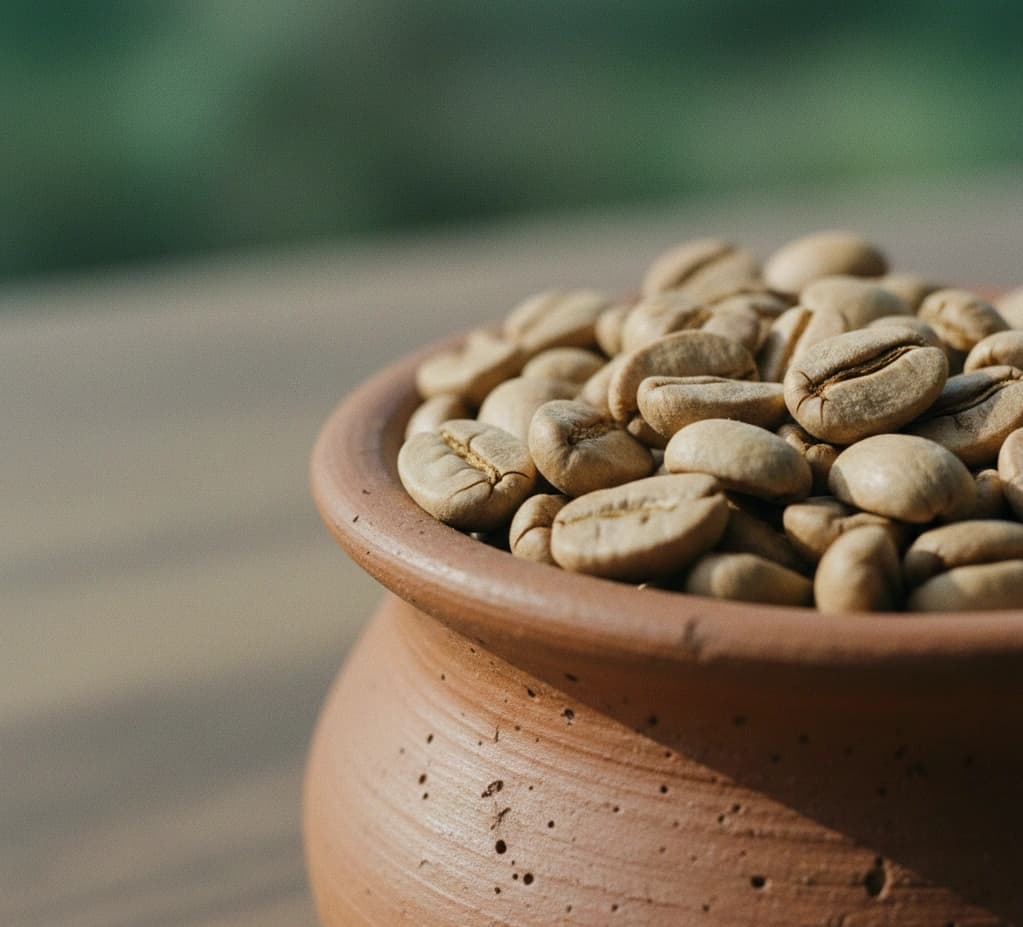
There is a coffee that tastes of rain. Along the Malabar coast of Kerala, traders once loaded green coffee beans onto wooden ships bound for Europe. The journey was long. Months at sea. Monsoon winds swelling sails. Salt air wrapping itself around burlap sacks. By the time the beans reached distant ports, they had changed. They had absorbed moisture, expanded, softened in acidity. The Europeans grew fond of this altered profile, unaware at first that it was the Indian Ocean that had seasoned their cup. When steamships later shortened travel time, that accidental transformation disappeared. The flavour shifted. Something was missing. So Indian exporters recreated the sea. Thus was born Monsooned Malabar coffee, sometimes locally mispronounced as masoned coffee, though the monsoon is the true mason shaping its character. In coastal warehouses around Mangalore and the Malabar belt, carefully selected Arabica beans are spread in layers during the monsoon months. Humid winds sweep through open-sided godowns. The beans swell, pale in colour, and lose their sharp acidity. For weeks they are raked and turned by hand, allowing moisture to penetrate evenly. The result is distinct. Low acidity. Heavy body. Earthy aroma. Notes that carry hints of spice, wood, sometimes tobacco. It is a coffee that does not shout brightness. It settles into the palate like wet soil after rain. In the hills of Wayanad, where coffee grows beneath shade trees alongside pepper vines, the bean begins its journey. Farmers harvest red cherries, dry or wash them, and send them onward. From mountain mist to coastal humidity, the bean experiences two climates before it reaches the roaster. Monsooned Malabar became one of India’s most recognized specialty exports, protected by geographical indication status. European espresso blends often use it to soften sharper African beans. Its character brings depth rather than sparkle. There is poetry in the process. The monsoon, often seen as disruption, becomes collaborator. Rain that floods fields also crafts flavour. Humidity that rusts iron enriches coffee. Nature is not obstacle but artisan. In a brass tumbler of South Indian filter coffee, dark and aromatic, a trace of that maritime history lingers. The cup carries echoes of trade routes, of sacks breathing in salt air, of warehouses open to seasonal wind. Malabar monsooned coffee is not simply roasted seed. It is climate distilled. A reminder that sometimes what we call imperfection is simply transformation in progress.