 CUISINE
 HISTORY
 JOURNALS
 PEOPLE
 CONSERVATION
Malabar Coastal and Culinary
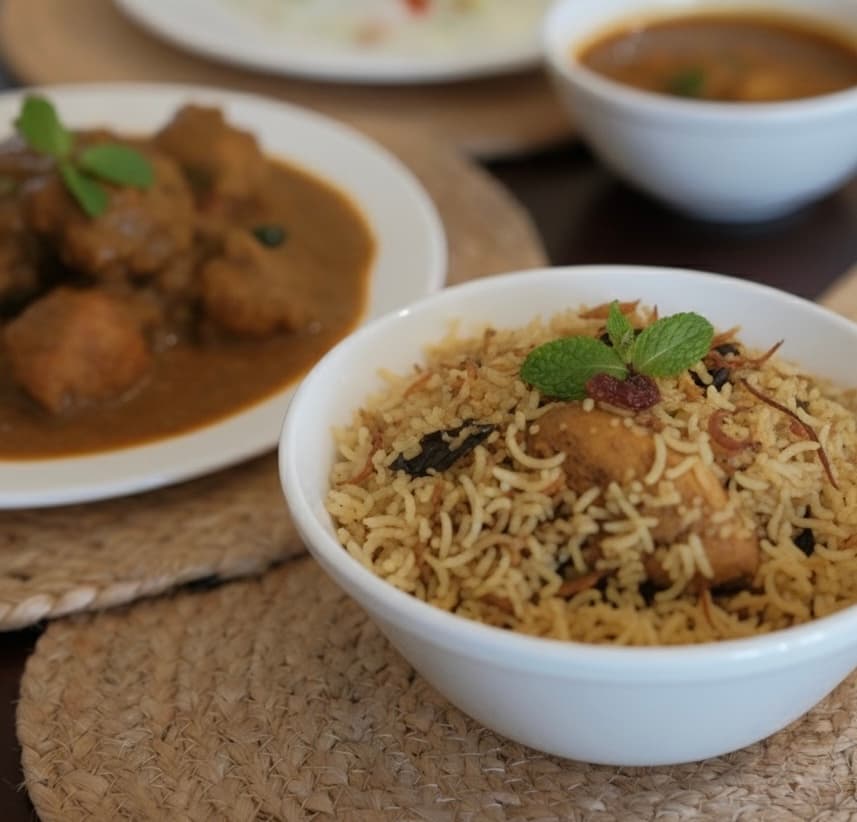
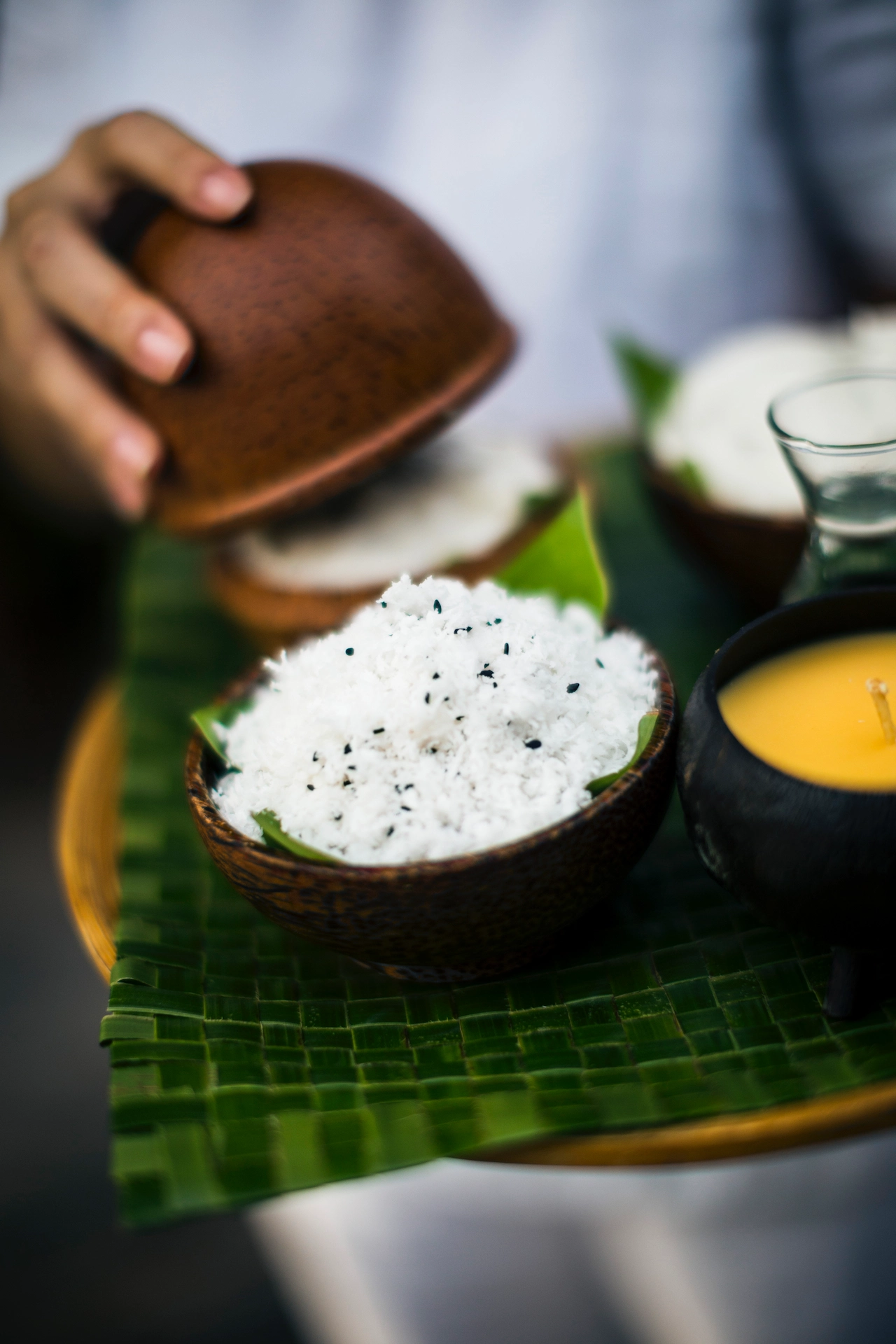
The Malabar coast does not introduce itself loudly. It arrives as salt on the breeze, as the slow roll of the Arabian Sea touching shorelines that have witnessed centuries of arrival and departure. Along this stretch of northern Kerala, trade winds once carried Arab merchants, Portuguese explorers, Dutch traders, and British ships. What they left behind was not only commerce but taste. Malabar culinary history is a story written in spice and tide. In port towns like Kozhikode, Kannur, and Thalassery, kitchens became crossroads. Black pepper, cardamom, cinnamon, and cloves travelled outward from these shores, while new techniques and ingredients travelled inward. The result was a cuisine layered with memory. Rice met saffron. Coconut milk met slow-cooked meat. The sea offered prawns, mussels, sardines, and kingfish, each simmered in gravies that balanced heat with fragrance. Malabar biryani, especially the Thalassery style, is perhaps the most poetic example of this mingling. Unlike its northern counterparts, it uses short-grain kaima rice, delicate and aromatic. The meat is cooked separately with spices, then folded gently into rice scented with ghee and fried onions. It is not merely a dish. It is inheritance, shaped by Arab influence and local sensibility. Seafood along the Malabar coast carries its own rhythm. Fish curry stained red with Kashmiri chilli and mellowed by coconut. Mussels stuffed with spiced rice paste and steamed. Pathiri, soft rice flatbread, absorbing gravies like a patient companion. Malabar parotta, layered and elastic, served with slow-simmered beef or chicken curry, reflects the region’s openness to adaptation and improvisation. Yet Malabar cuisine is not only about abundance. It is also about balance. Tamarind sharpens richness. Curry leaves crackle in hot oil like punctuation marks. Coconut appears in many forms, grated, roasted, pressed into milk, grounding every dish in the geography of palm-lined shores. Food here tastes of humidity, of ocean wind, of trade routes that shaped appetite. The Malabar coast itself has always been porous. Waves carry stories. Fishing boats leave at dawn and return with silver flicker. Mosques with ancient wooden beams stand near temples and colonial structures, each community leaving its imprint on flavour. Hospitality in Malabar homes is instinctive. A visitor is rarely allowed to leave without tea, without something fried crisp in coconut oil, without a second helping pressed gently onto the plate. To speak of Malabar coastal cuisine is to speak of migration and memory. It is the culinary expression of centuries of exchange. The spice trade once drew the world to these shores. Today, what remains is the quiet confidence of a cuisine that never needed spectacle. It only needed fire, coconut, and time. Along the Arabian Sea, as evening light fades and fishing nets rest, kitchens continue their ancient choreography. Steam rises. Mustard seeds burst in oil. Rice is washed in brass vessels. And somewhere between sea breeze and spice, Malabar reminds us that history is not only written in monuments. It is tasted, shared, and remembered at the table.