 CUISINE
 HISTORY
 JOURNALS
 PEOPLE
 CONSERVATION
Kudumbashree: The Architecture of Dignity in Kerala
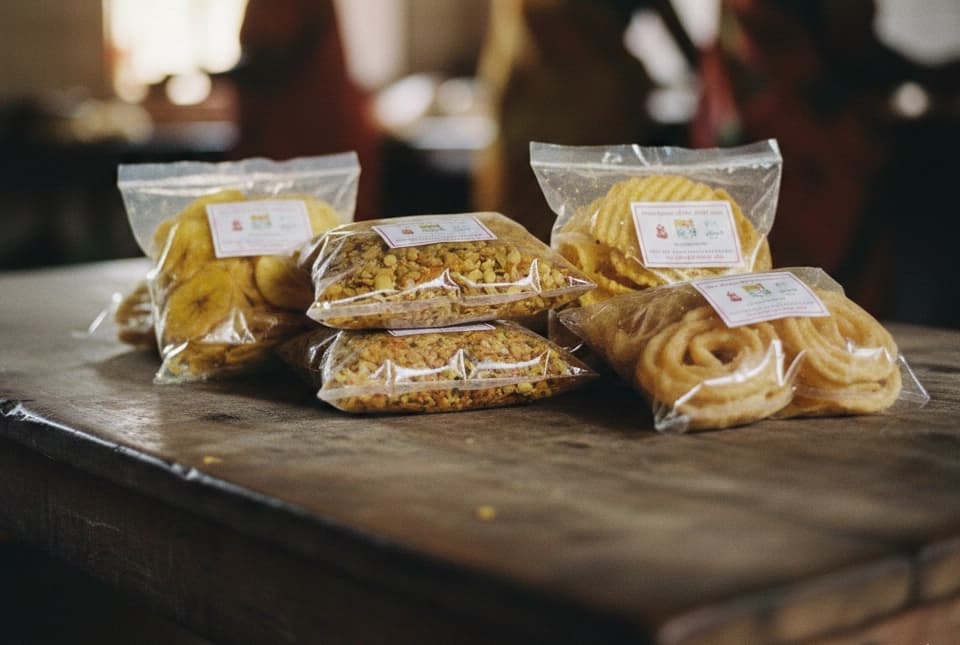
There is a truth about Kerala that numbers alone cannot explain. The state does not possess the industrial scale of Maharashtra, nor the financial capital of Gujarat, nor the manufacturing corridors of Tamil Nadu. Its land is narrow. Its resources are limited. It depends heavily on remittances from a vast diaspora working in the Gulf. By conventional economic comparison, Kerala has long stood with constraints. And yet, its human development indicators tell another story. High literacy. Strong public health. Social awareness that often outpaces income. Beneath this paradox stands one of the most remarkable grassroots movements in India: Kudumbashree. Launched in 1998 by the Government of Kerala, Kudumbashree was not merely a poverty eradication program. It was an idea that poverty could be addressed through collective dignity rather than charity. Built as a network of women-led neighbourhood groups, it created a structure where small savings became shared capital, where voices that had long remained inside kitchens entered public decision-making. The word itself means prosperity of the family. But prosperity here was never defined as luxury. It meant stability. It meant food security. It meant the ability of a woman to earn, to decide, to speak. Across Kerala’s villages and towns, Kudumbashree neighbourhood groups began meeting regularly. Women pooled modest savings. Microcredit emerged. Small enterprises were born. Catering units. Tailoring centres. Farming collectives. Cafés that served local cuisine. Even tourism initiatives where women guided visitors through villages, telling stories that had never before been considered economic assets. In a state often described as economically fragile, Kudumbashree became a counterargument. It demonstrated that social capital can be stronger than industrial capital. That literacy, when combined with organization, can produce resilience. Kudumbashree also reshaped gender equations. Women who once remained invisible in economic data began handling accounts, negotiating with banks, managing enterprises. Decision-making moved gradually from male-dominated households into shared spaces. Political participation increased. Self-confidence followed income. During floods and crises, Kudumbashree units mobilized rapidly, running community kitchens and relief operations. In times of pandemic, they produced masks and sanitizers. The network proved that empowerment is not abstract when it is institutionalized. Kerala’s relative economic limitations did not disappear. Youth unemployment remains a concern. Migration continues. But Kudumbashree created a parallel narrative where development was not only about large factories or corporate investments. It was about decentralized, human-scale entrepreneurship rooted in community. There is something quietly revolutionary in that model. It suggests that prosperity need not roar. It can assemble in small rooms, over shared notebooks and steel tumblers of tea. It can grow from weekly meetings where women discuss loans and life with equal seriousness. Kerala may not always dominate GDP charts. Yet through Kudumbashree, it has shown the world a different metric of wealth. A wealth measured in literacy, in organized solidarity, in the steady transformation of self-worth into livelihood. In the end, Kudumbashree is more than a program. It is proof that when dignity becomes policy, even a resource-constrained state can produce extraordinary social strength.