 CUISINE
 HISTORY
 JOURNALS
 PEOPLE
 CONSERVATION
Kozhikode: Where Faiths Arrived by Sea
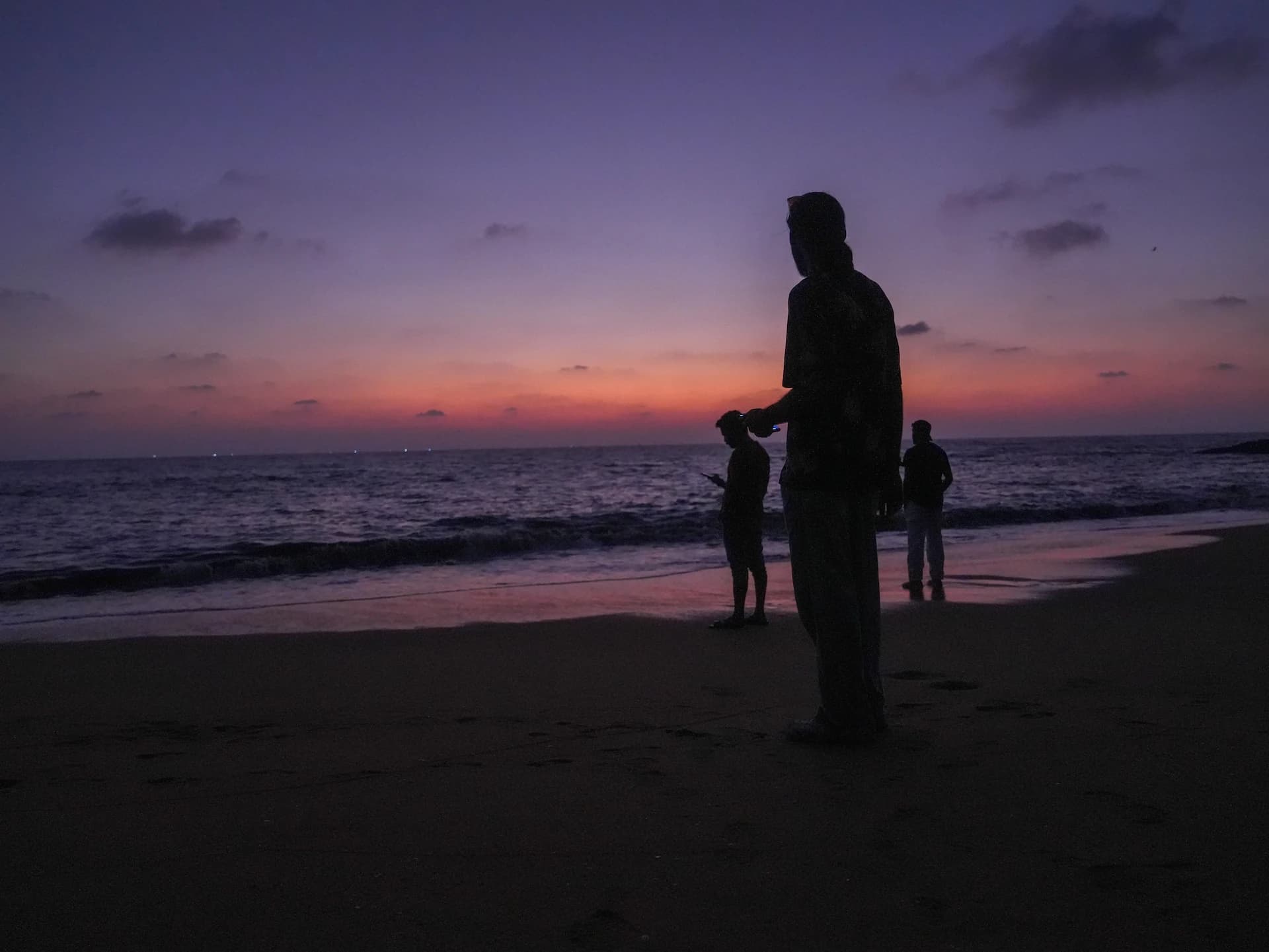
Some cities are built by kings. Kozhikode was built by currents. Along the Arabian Sea in Kerala, Kozhikode emerged as one of the most powerful port cities of the medieval Indian Ocean world. Under the Zamorins, it became a magnet for traders who did not merely exchange goods but carried with them faith, language, architecture, and memory. The shoreline became a manuscript written in many scripts. Arab merchants were among the earliest to anchor here in large numbers. By the 12th and 13th centuries, Kozhikode was deeply woven into the Indian Ocean trade network linking Arabia, Persia, East Africa, and Southeast Asia. Islam along the Malabar coast took on a distinct form shaped by Kerala’s timber architecture and humid climate. The Mishkal Mosque, built in the 14th century, stands as one of the finest examples. Without domes or towering minarets, its layered wooden structure resembles a temple more than a Middle Eastern mosque. Persian and Arab theological currents flowed through its prayer halls, yet its body was unmistakably Malayali. Persian influence along the Malabar coast was not only spiritual but linguistic and culinary. Trade with ports in the Persian Gulf introduced textiles, ceramics, and subtle flavours. Words of Persian origin slipped into local vocabulary. Elements of Gulf cuisine merged with Malabar spices to create dishes that still taste of travel. The Shia presence in Kerala, though numerically smaller than Sunni communities, reflects these enduring Gulf connections that shaped pockets of ritual life along the coast. From the east came the Chinese. During the early 15th century, the fleets of Zheng He visited the Malabar coast as part of the Ming dynasty’s maritime expeditions. Chinese records describe Calicut as a thriving, diplomatically significant port. Archaeologists have found fragments of Chinese porcelain along Kerala’s coast, quiet proof of sustained contact. The iconic cantilevered fishing nets, known locally as cheena vala, are widely believed to have been introduced through Chinese influence, later absorbed seamlessly into Kerala’s fishing traditions. Jain presence, though less visible in Kozhikode city itself, shaped the broader northern Kerala region. In nearby Wayanad and parts of North Malabar, ancient Jain temples carved from stone stand as reminders of merchant communities who once travelled these trade routes. Structures like the Jain temple at Sultan Bathery reveal that commerce moved inland as well, carrying belief beyond the coastline into forested hills. Christianity too arrived early. Long before European colonialism, Syrian Christian communities had already established themselves along the Malabar coast, tracing their origins to early apostolic traditions and West Asian contact. Later, the arrival of Vasco da Gama in 1498 marked a new European chapter, altering political and commercial balances but not erasing the older networks that had long defined Kozhikode. Temples dedicated to local deities stood alongside mosques shaped by Arab carpenters. Jewish traders passed through these ports on wider Indian Ocean circuits. Buddhist and Jain influences travelled through merchant guilds in earlier centuries. Kozhikode was not a singular culture but a confluence. What makes this port remarkable is not merely diversity, but adaptation. Foreign ideas did not remain foreign for long. Chinese technique became Kerala craft. Persian ritual absorbed coconut oil lamps and monsoon woodwork. Arab trade married Malayalam speech. Even architecture refused purity. Mosques wore temple roofs. Coastal houses opened wide verandahs to sea wind rather than fortress walls. Kozhikode’s history is tidal rather than linear. Each wave carried something. Porcelain. Horses. Dates. Theology. Cartography. Stories. And when the tide receded, it left behind fragments that settled into the soil. To stand on Kozhikode beach at dusk is to face more than horizon. It is to face centuries of arrival. The sea here was never a boundary. It was a bridge. And the city that grew beside it remains a quiet testament to what happens when the world chooses to meet rather than conquer.