Kerala's Sevens Football
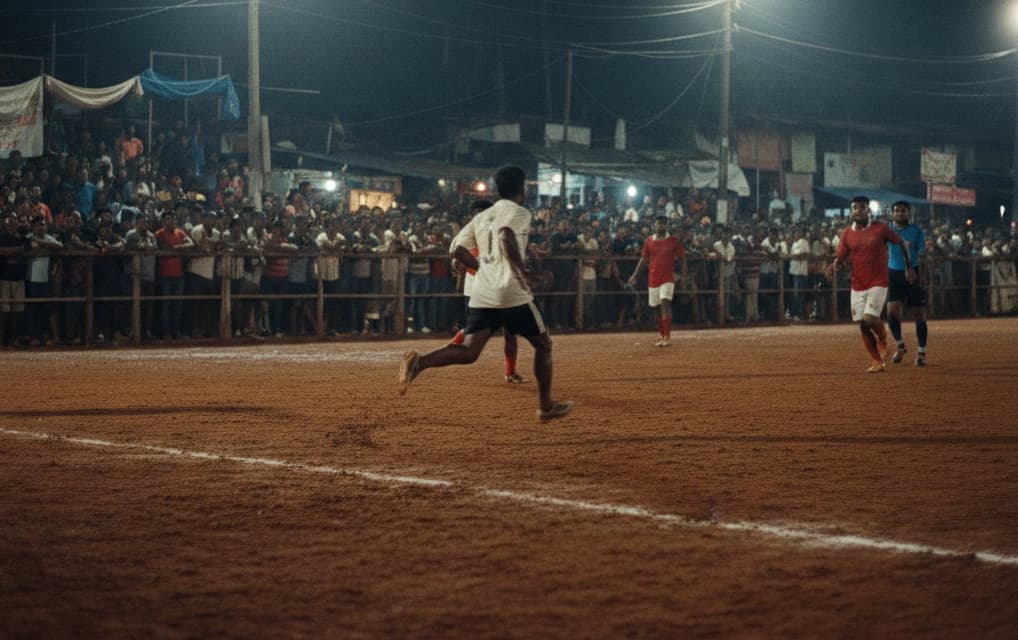
In northern Kerala, especially around Malappuram, Sevens football became a phenomenon. Not academy born. Not television polished. But floodlit, dust rising, announcers shouting into humid air. Seven players on each side. Smaller pitch. Faster pace. No room for hesitation.
Sevens is urgency.
Unlike the eleven-a-side game that allows structure and patience, Sevens compresses time. Tight spaces demand close control. Defensive errors are punished instantly. Attackers learn to turn in half a second. It rewards instinct. It exposes weakness. It manufactures courage.
The tournaments became seasonal festivals. Crowds packed village grounds. Local sponsors backed teams. Players travelled circuit to circuit, some becoming cult figures. It carved out new footballers from unlikely places. Many who later entered professional leagues first learned composure under those harsh white lights.
Further south, in Kochi, the Parade Ground stands as a different kind of football cradle. Once a colonial drill ground, where European regiments marched in formation, it has transformed into a democratic sports space. No grandstands. No gatekeeping. Just open sky and turf worn thin by ambition.
Even though Sevens culture is strongest in Malabar, grounds like Parade Ground represent something essential to Kerala football. Accessibility. Any boy can walk in with a ball. Any evening can become a training session. Talent here grows informally. It sharpens in street games, beach matches, open grounds.
Kerala’s football identity is layered. Sevens in the north with its high-voltage nights. Open urban grounds like Parade in Fort Kochi shaping everyday players. Professional clubs rising in bigger stadiums. Each level feeding the next.
Sevens may not follow global rulebooks strictly. It may prioritize flair over formation at times. But it builds reflexes, confidence in tight spaces, hunger for applause. It produces entertainers and survivors.
And in places like Parade Ground, where colonial footsteps once echoed, today it is the thud of footballs that carries across the grass.
From seven-a-side chaos in Malappuram to open fields in Fort Kochi, Kerala’s football story is not written only in stadiums. It is written in dust, in floodlight glare, in boys who believe that the next match might change everything.
Did this story stay with you?
Keep reading
Two stories each from history, people, food and Kerala, chosen by the team.
Festivals, football, cinema, theyyam and the way Kerala lives.
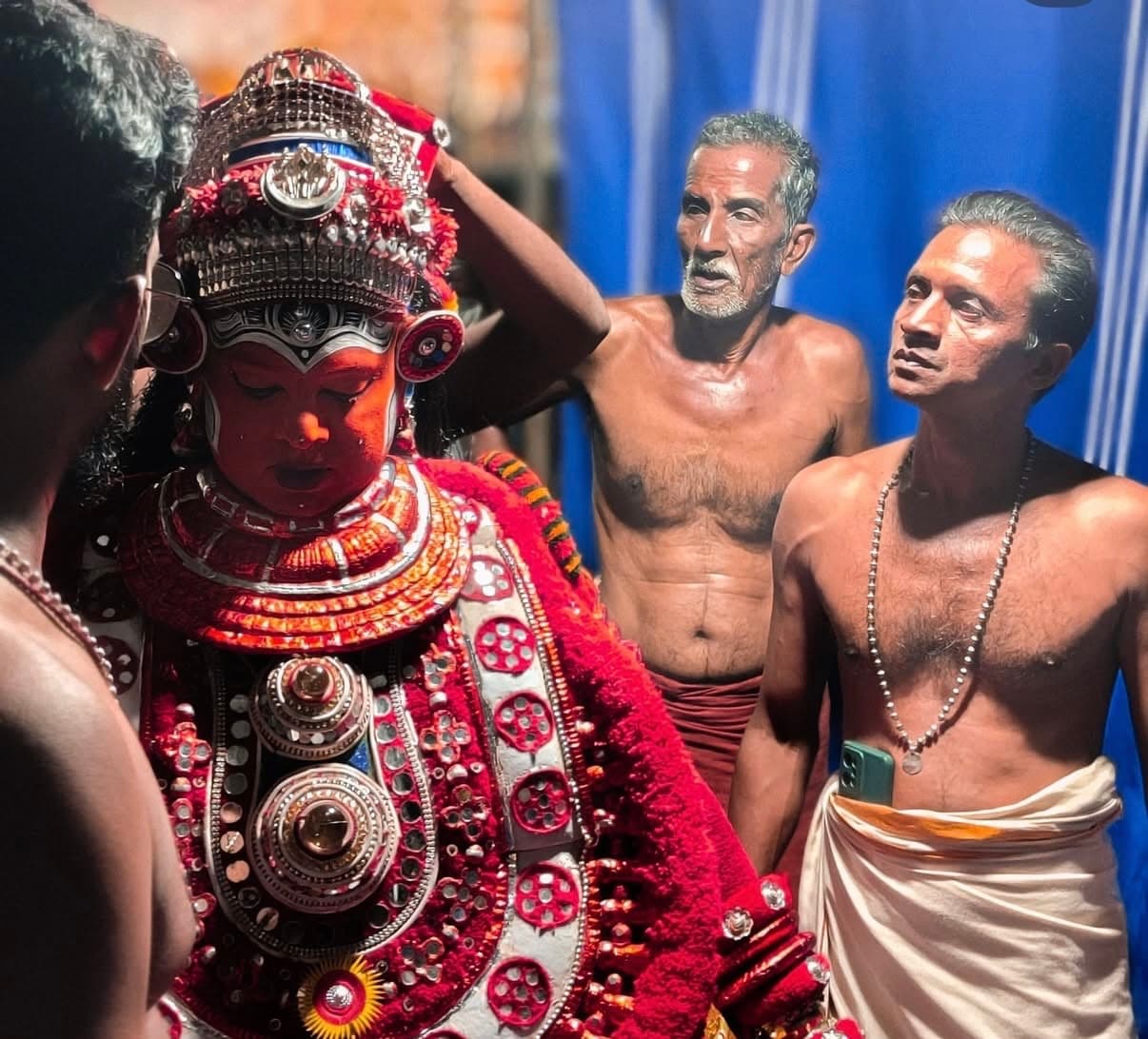 Thira and TheyyamIn the northern districts of Kerala, divinity does not remain distant. It arrives in fire. Thira and Theyyam are ritual performance traditions rooted…

Trade winds, faiths that came by sea, the houses and the hands that built them.
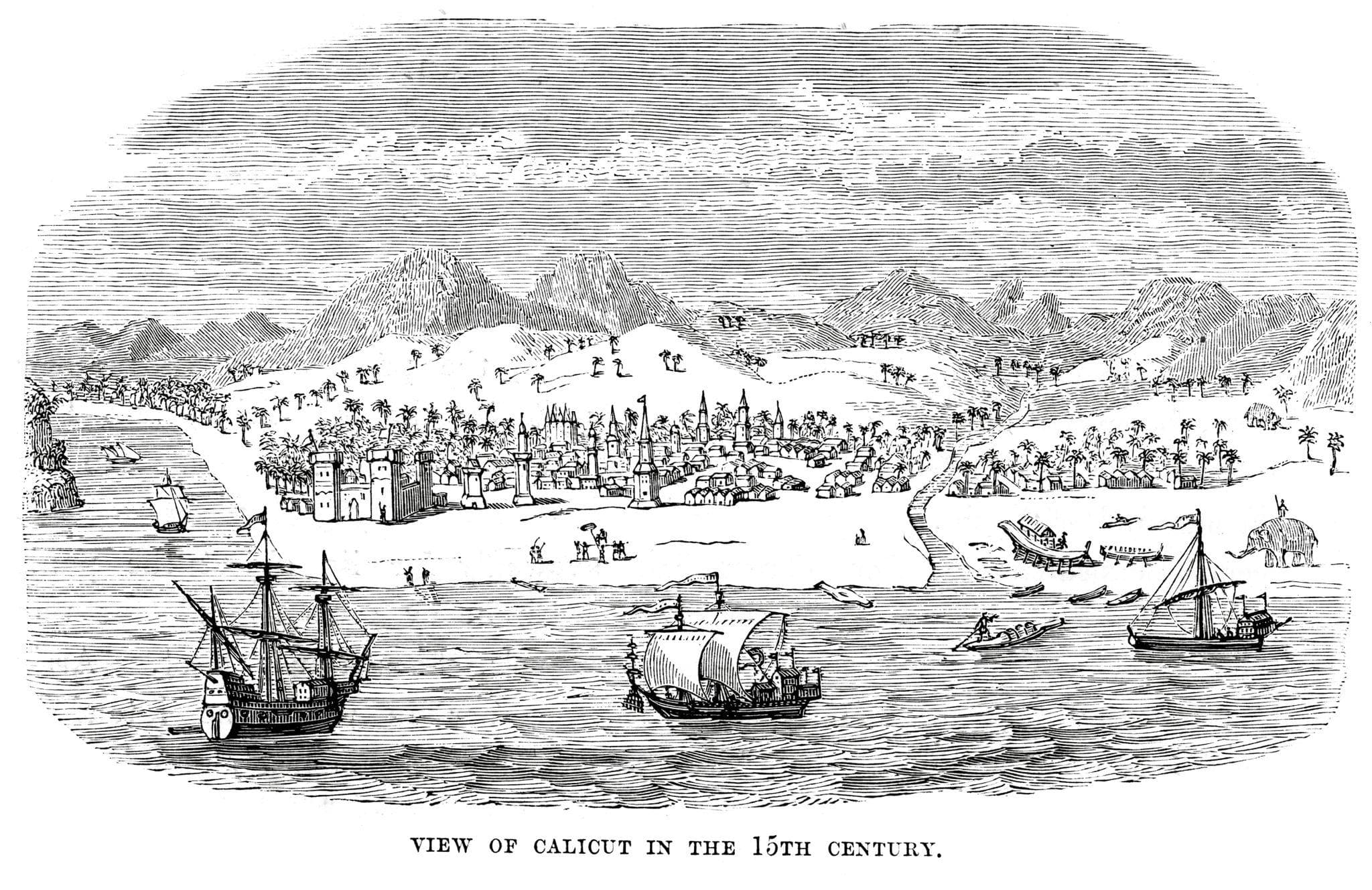 History of Arab Trade in MalabarBefore Europe rounded the Cape of Good Hope, before cannons announced empire, the Malabar coast was already fluent in Arabic. Along the shoreline of…
The people who keep the houses, and the guests who become part of them.
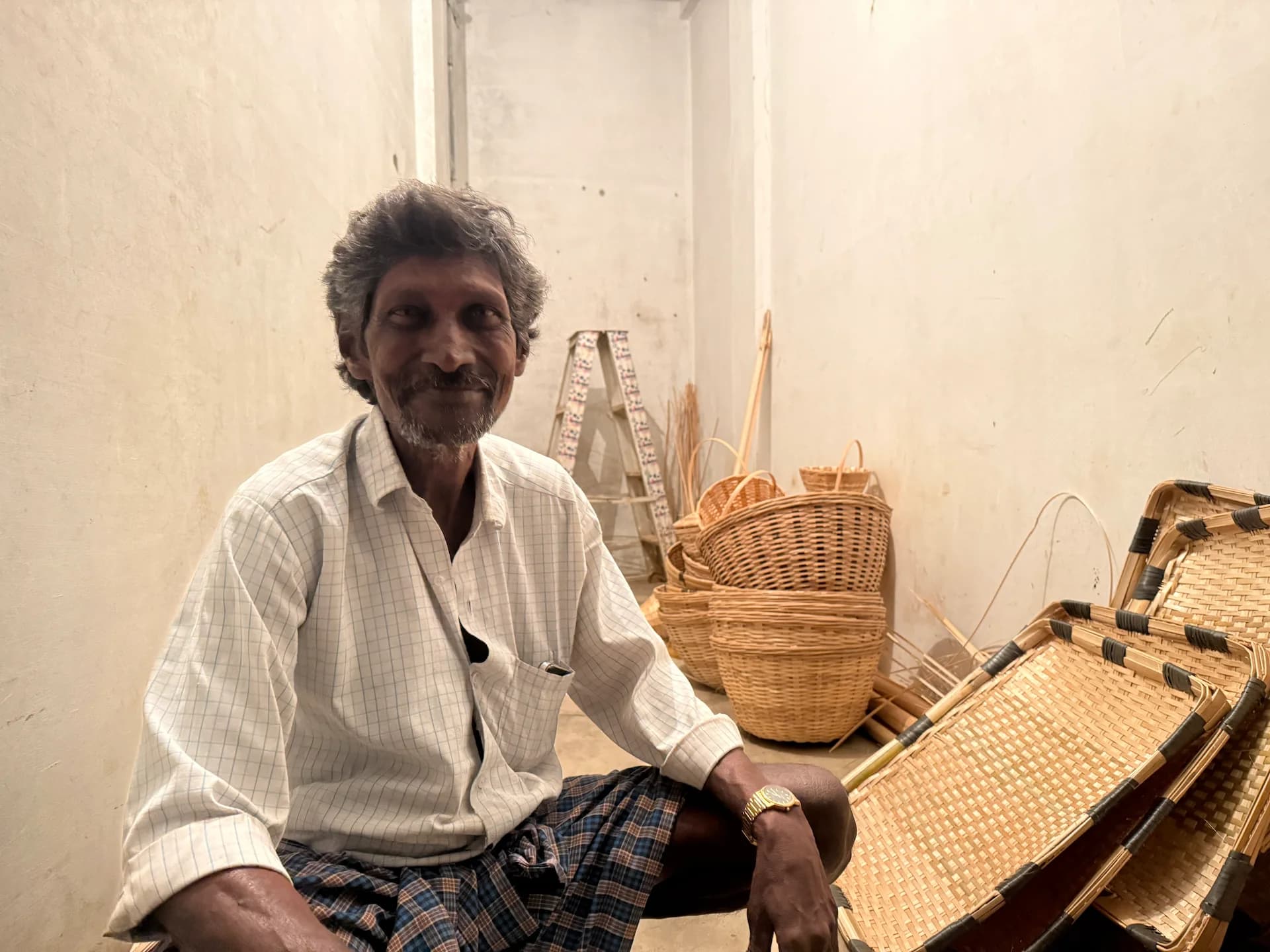 The Hands That Hold Our GuestsThere is a man who sits with a knife and a bundle of eetta, and from his hands comes a small forest. He does not call it craft. He does not call it…
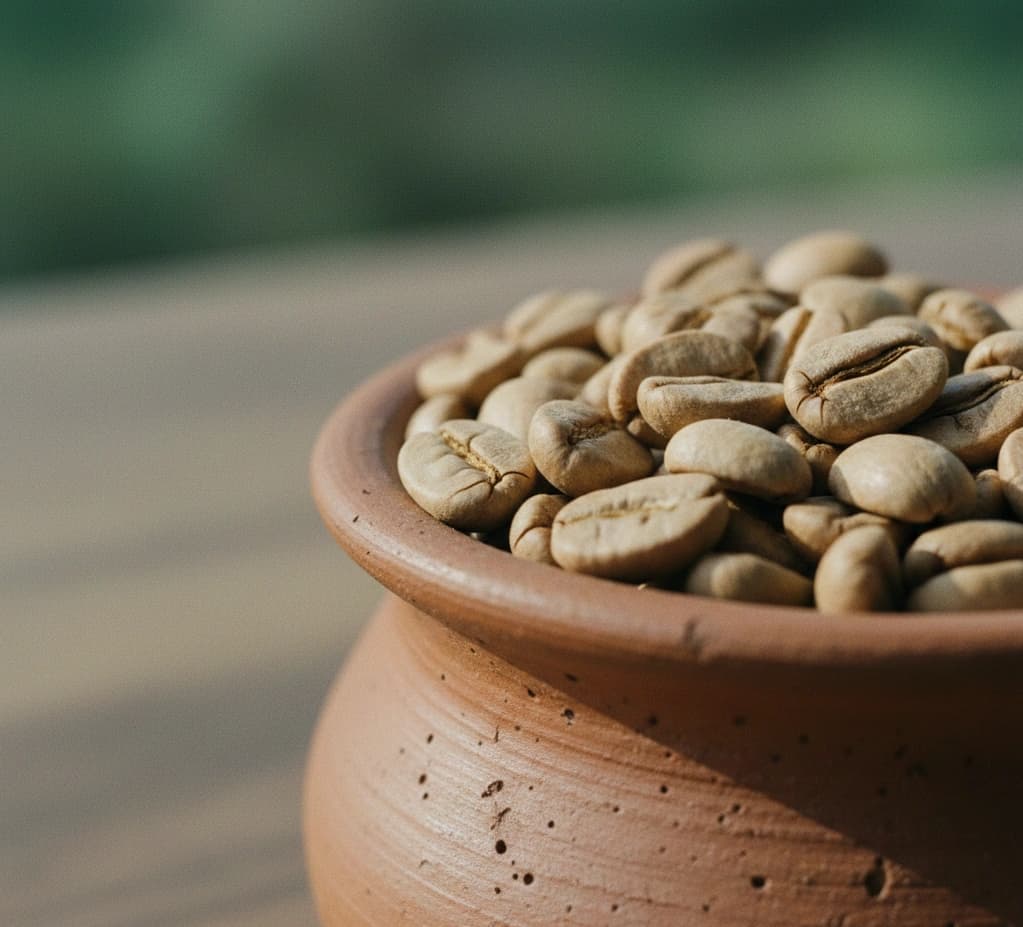
Malabar tables, monsooned coffee, sweet streets and strange, perfect pairings.
 A Table That Remembered MalabarAt The Hundred House, some evenings arrive with intention. Not loud, not announced, but carrying a quiet idea waiting to unfold. Kisah Stays has…

Comments
No comments yet. Stayed with us, or read something you liked? Be the first.
Sign in with Google or your email to leave a comment. No password needed.