 CUISINE
 HISTORY
 JOURNALS
 PEOPLE
 CONSERVATION
Journey of Coffee to India
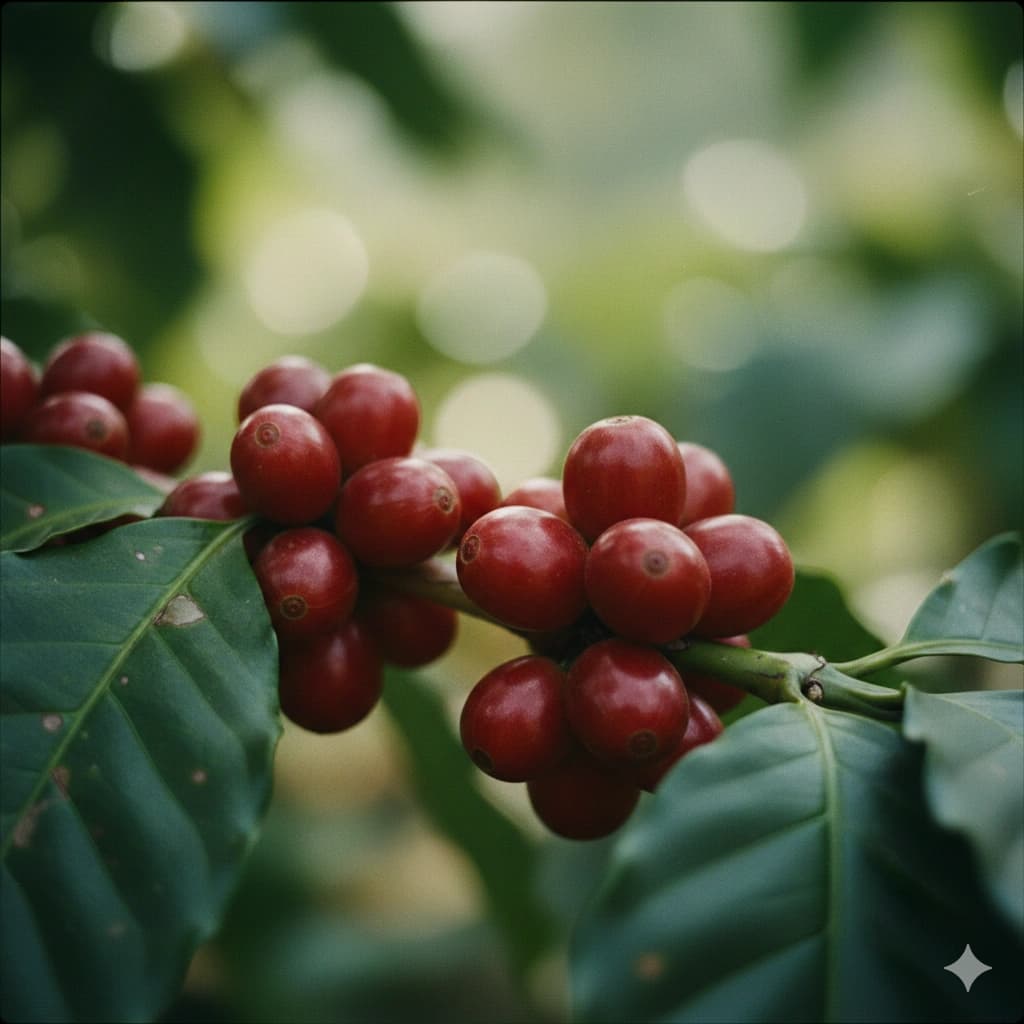
Before coffee became a morning habit, it was a smuggled secret. Its story begins in Ethiopia, where wild coffee plants grew in forest undergrowth, their red cherries chewed by shepherds who noticed wakefulness in their flock. From there it travelled to Yemen, where Sufi mystics brewed it to sustain night prayers. The drink moved through the Arabian Peninsula, guarded carefully. Fertile beans were rarely allowed to leave those shores. In the seventeenth century, legend says that a pilgrim named Baba Budan journeyed to Mecca. On his return, he is believed to have concealed seven coffee beans in his robes and brought them across the Arabian Sea to the hills of southern India. He planted them in the slopes of what is now known as Baba Budan Giri in Chikmagalur. Whether embroidered by myth or anchored in fact, coffee did take root there. The climate of the Western Ghats, shaded forests, generous monsoon, and red laterite soil proved hospitable. The plant adapted. It grew beneath tall trees, often intercropped with pepper and cardamom. By the eighteenth and nineteenth centuries, coffee cultivation expanded under British colonial enterprise. Large plantations were established across the hills of Karnataka, Tamil Nadu, and later in Wayanad. Estate bungalows rose among slopes of green. Labour systems reshaped local communities. Coffee became commodity as much as crop. The British introduced systematic cultivation, curing works, and export channels linking Indian ports to Europe. The bean that once travelled secretly now moved in bulk through maritime trade routes. Indian coffee, especially from the Malabar region, developed a distinctive identity. Monsoon winds in coastal warehouses transformed green beans into what the world would later call Monsooned Malabar. Yet coffee did not remain confined to export. It entered kitchens. In South India, filter coffee emerged as ritual. Dark decoction dripped slowly through metal filters into steel tumblers. Milk and sugar joined in measured proportion. The beverage became conversation starter, hospitality gesture, daily anchor. Today India stands among the world’s significant coffee producers, though it is not always loud about it. Much of its cultivation remains shade grown, biodiversity friendly, intertwined with forest canopy. The Western Ghats continue to nurture Arabica and Robusta varieties that travel to global markets. What began as seven hidden beans crossing the Arabian Sea has become a landscape of plantations stretching across southern hills. Coffee’s journey to India is not merely agricultural history. It is migration, adaptation, resilience. From Ethiopian forests to Yemeni monasteries, from Sufi legend to colonial estates, from hill slopes to morning cups, coffee in India carries layers of movement within its aroma. And somewhere in that steam rising from a freshly poured tumbler, there lingers the memory of a pilgrim who believed that some treasures are worth carrying across oceans.