 CUISINE
 HISTORY
 JOURNALS
 PEOPLE
 CONSERVATION
Heritage of Kerala
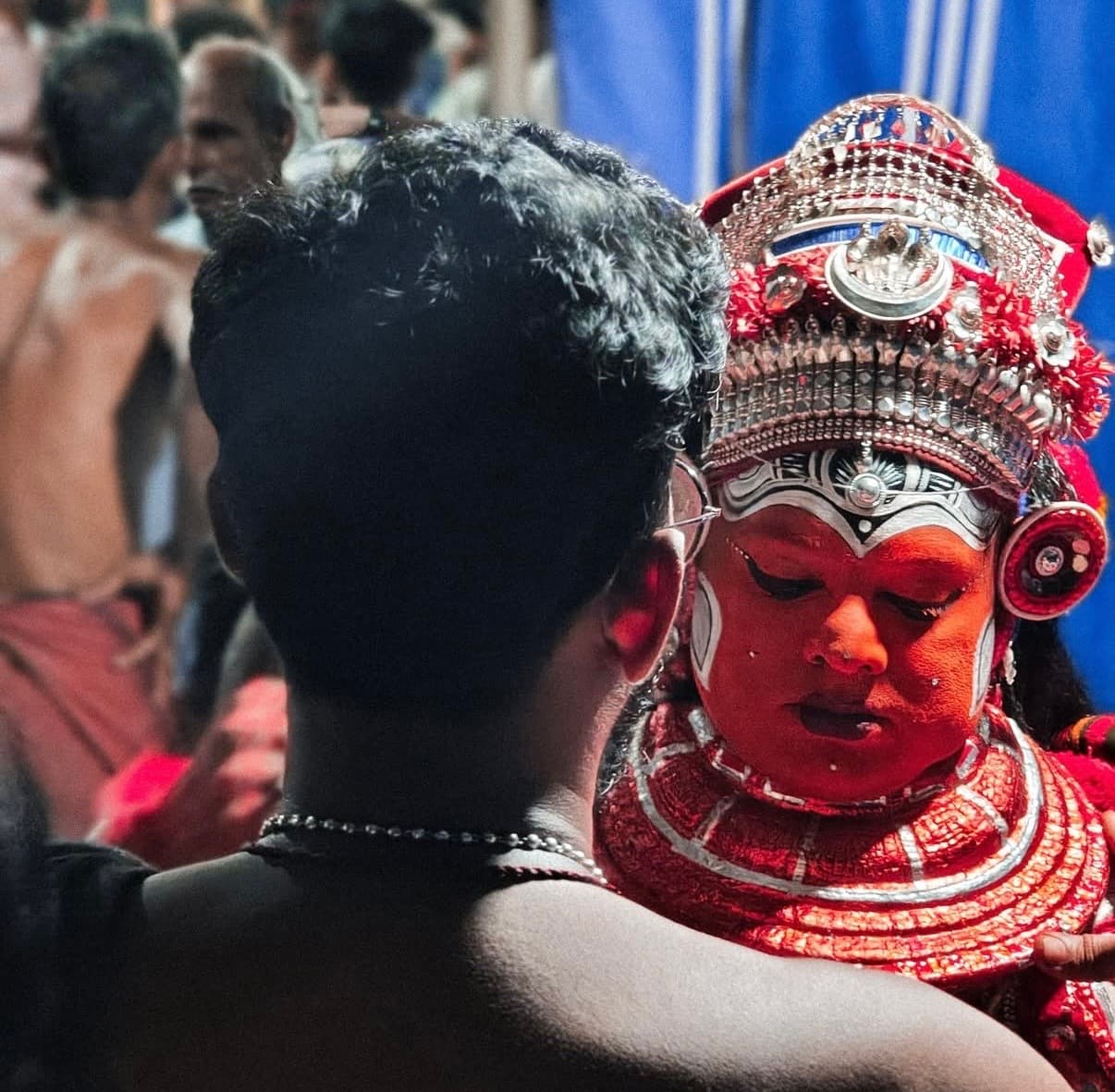
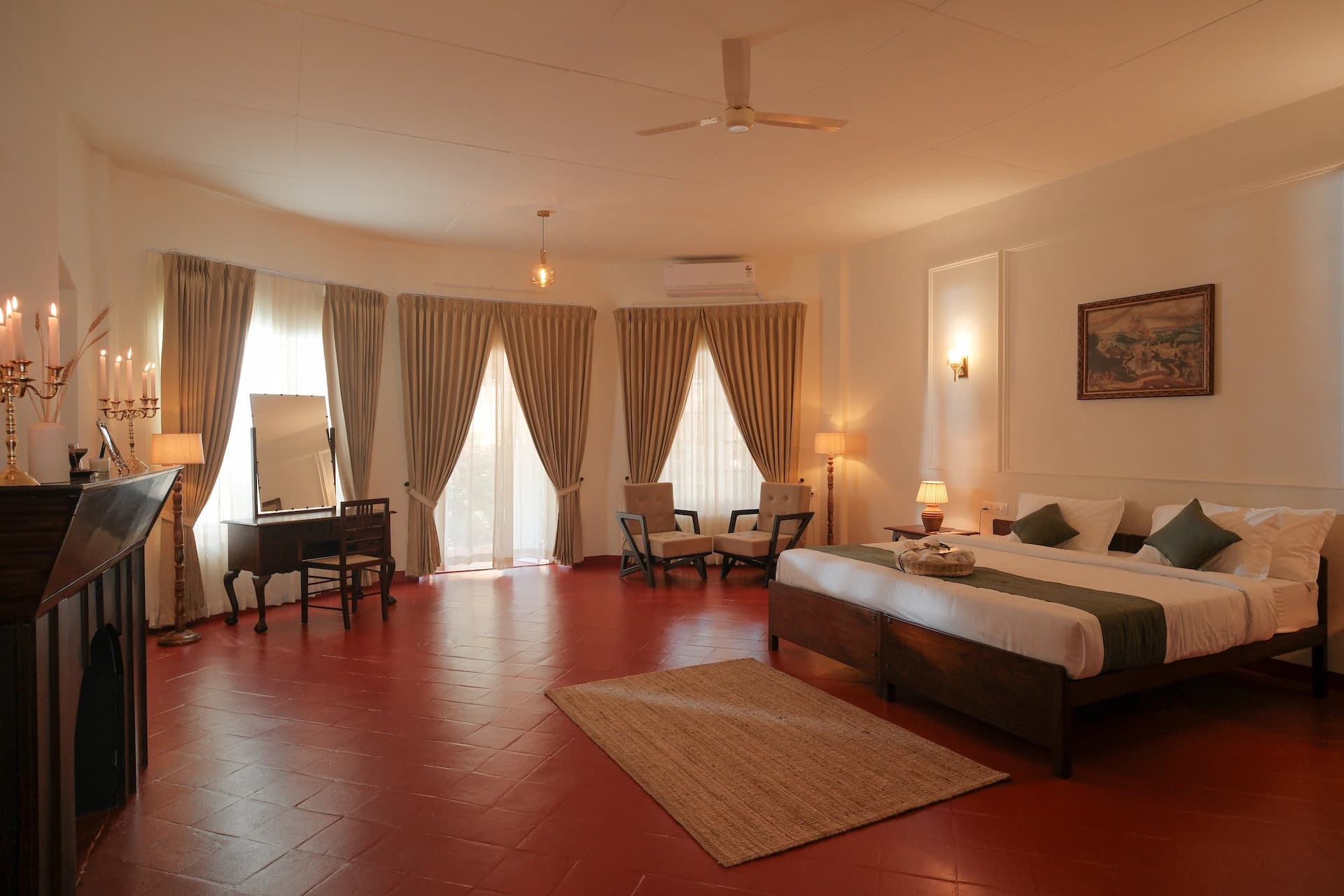
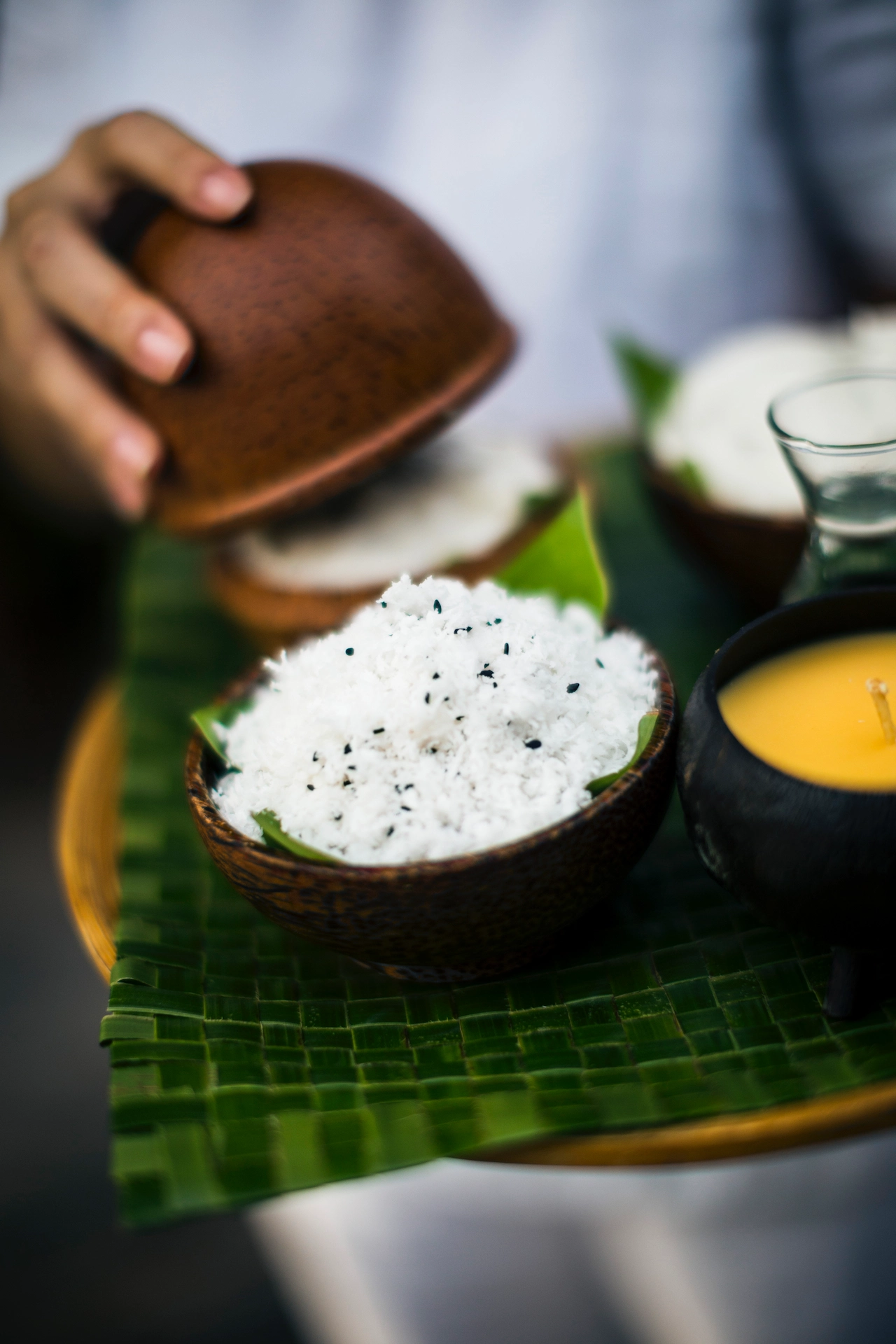
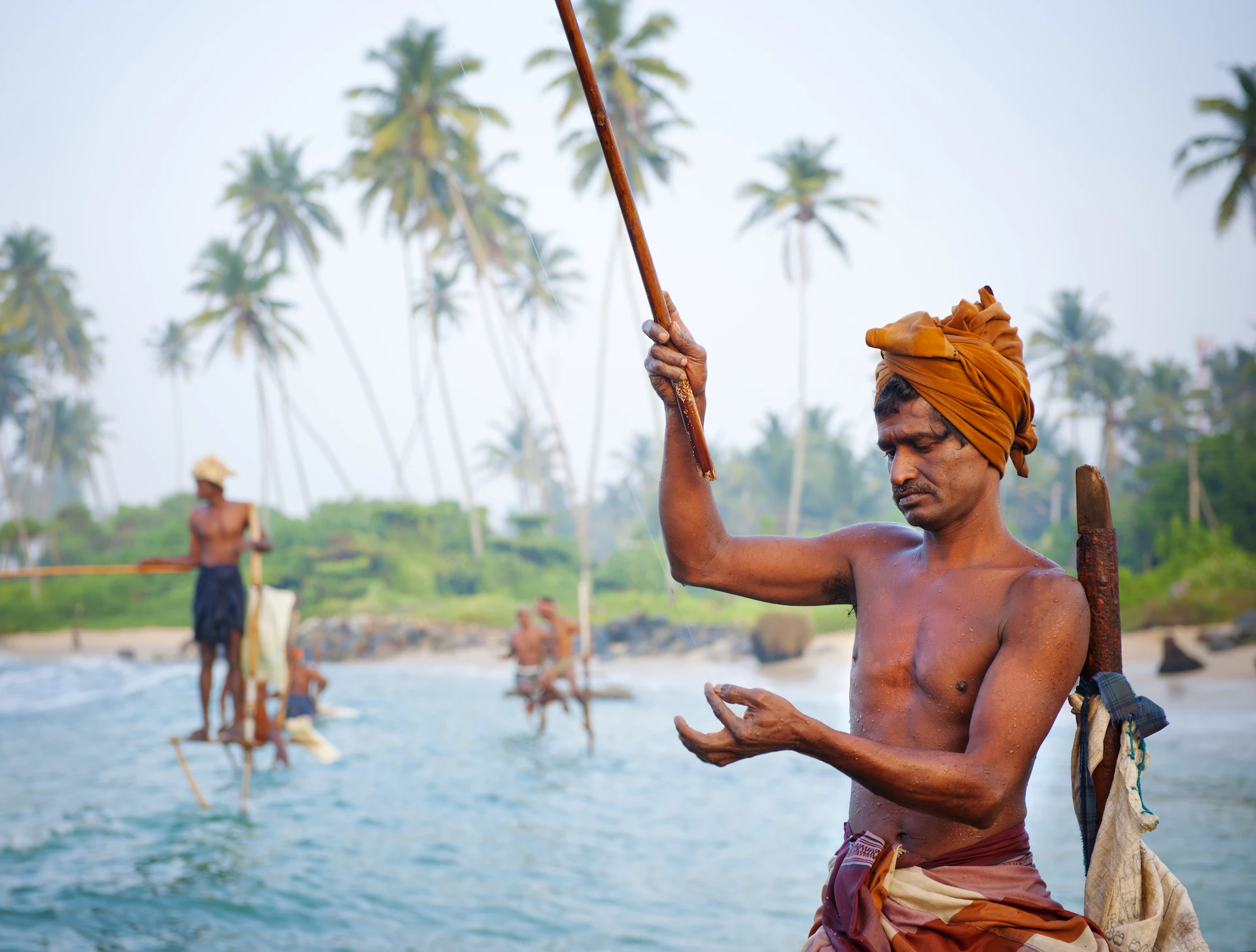
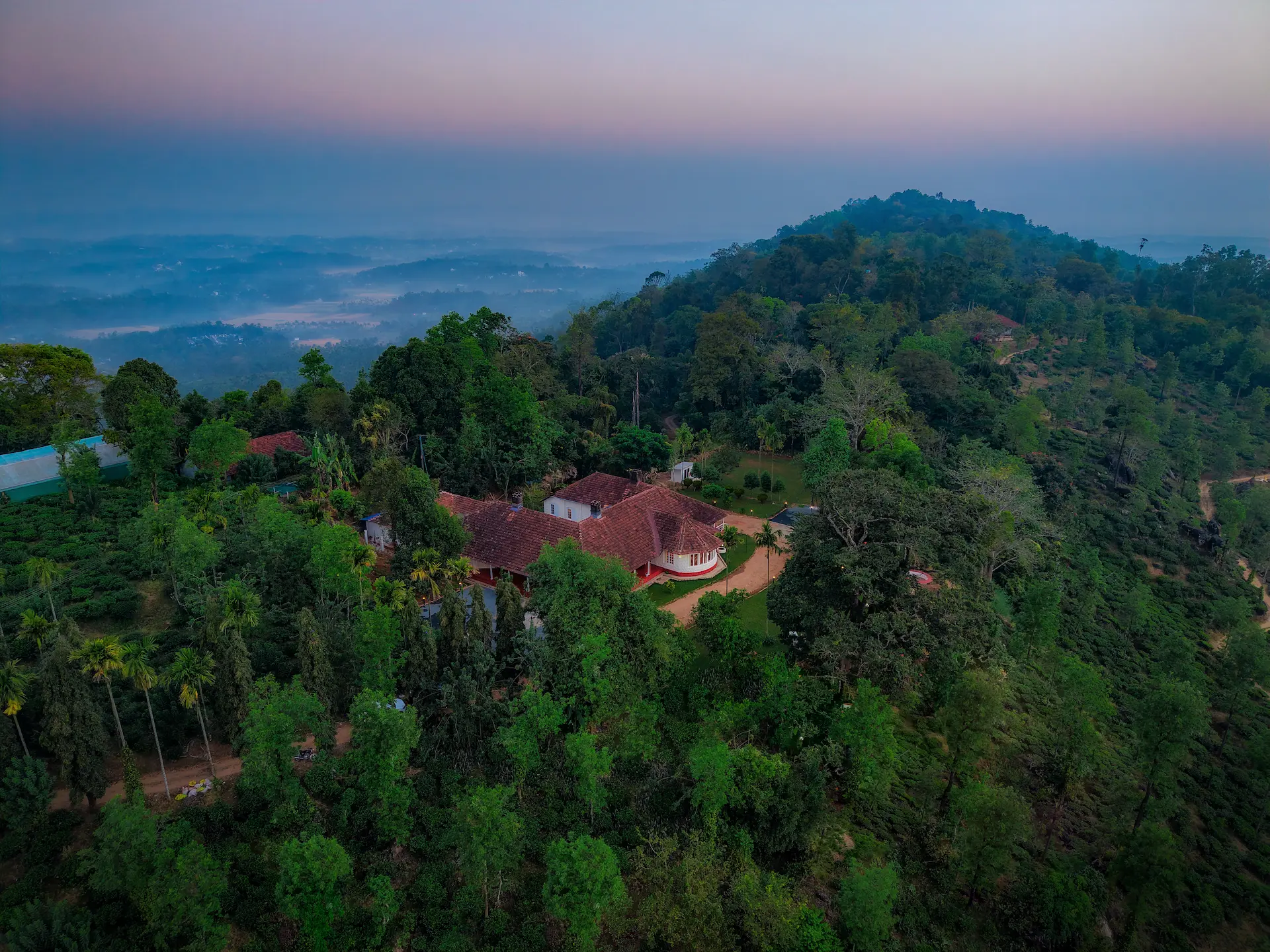
Heritage in Kerala does not stand still. It moves like water through backwaters, like monsoon across laterite roofs, like incense rising in temple corridors. It is not locked inside monuments. It breathes in daily ritual, in cuisine simmering with coconut and spice, in the slow dignity of wooden houses that have survived more than a century of rain. Kerala’s geography shaped its history long before kingdoms were named. The Arabian Sea opened the coast to trade, while the Western Ghats guarded the hinterland with forests and mist. This delicate balance between mountain and sea made Kerala a crossroads. Arab traders anchored on the Malabar coast. Chinese fleets visited its ports. Portuguese, Dutch, and British powers followed. Yet the land absorbed each arrival without surrendering its essence. In the north, ritual art forms like Theyam transform performers into living deities, their painted faces and towering headgear carrying stories older than written record. In temple towns, oil lamps flicker against granite walls. The Padmanabhaswamy Temple stands as a monumental example of Dravidian architecture, layered with devotion and legend. Mosques along the coast, such as the historic Mishkal Mosque in Kozhikode, mirror temple-style woodwork rather than Middle Eastern domes, proving that faith here learned to wear local timber. The backwaters of Alappuzha glide quietly through villages where life remains tethered to tide. Kettuvallam houseboats, once rice barges, now float as reminders of an inland trade culture that connected communities through canals rather than highways. In the hills of Wayanad, tribal traditions endure in song, craft, and agricultural rhythm, while colonial-era bungalows whisper of plantation economies that once reshaped the highlands. Kerala’s architectural heritage is carved from climate. Sloping tiled roofs bend under monsoon generosity. Courtyards open inward to light and rain. Laterite stone walls hold coolness against humid afternoons. Wooden beams are etched with motifs that echo both sacred geometry and local flora. Homes are not separate from environment but in conversation with it. Cuisine forms another layer of inheritance. Coconut appears in countless forms, grated, roasted, pressed into milk. Black pepper and cardamom speak of ancient spice routes. Malabar biryani carries Arab influence softened by Kerala rice. Syrian Christian stews reflect West Asian memory mingled with local harvest. Sadya meals served on banana leaves celebrate abundance with discipline and harmony. Literature and reform movements have also shaped Kerala’s identity. Social reformers challenged caste hierarchies. Poets and writers turned landscape into metaphor. Education became not privilege but policy. Heritage here is not only ancient but progressive, a society shaped by both ritual continuity and questioning thought. What makes Kerala’s heritage remarkable is its capacity for coexistence. Temples, mosques, churches, and synagogues share skylines without erasing one another. Festivals overlap in calendar and spirit. Languages borrow words freely. Architecture blends without apology. To speak of Kerala’s heritage is to speak of water and wood, of spice and stone, of faith carried by wind and adapted by soil. It is a living inheritance, not preserved behind glass but practiced in kitchens, courtyards, and shoreline markets. The monsoon will return each year, drenching tiled roofs and feeding rivers. And with it, Kerala’s heritage will continue its quiet cycle of renewal, not as a relic of the past, but as a rhythm that refuses to disappear.