 CUISINE
 HISTORY
 JOURNALS
 PEOPLE
 CONSERVATION
Culture of Slow Evenings at Fireplaces
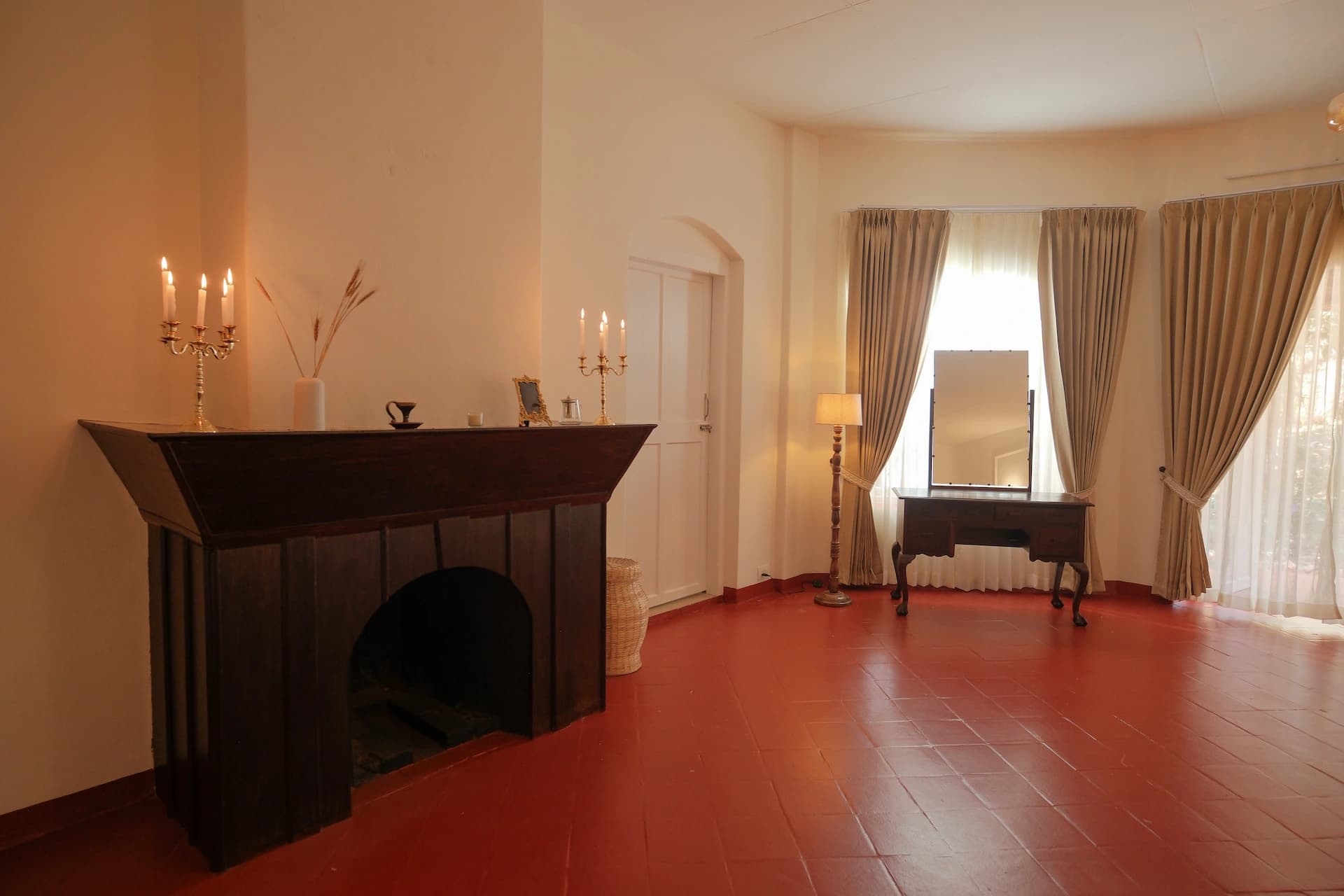
In the highlands of Kerala, where the evenings descend not with drama but with a patient hush, fireplaces once carried the responsibility of conversation. Long before television light flickered against whitewashed walls, before phones hummed in palms, fire was the centre of the room and therefore the centre of attention. In old plantation bungalows across Wayanad, flames were not merely for warmth. They were ritual. They were punctuation. They were pause. The colonial bungalow was designed for air and shadow, for monsoon winds and mist that slipped through hills. During the British plantation era in South India, fireplaces were architectural necessities in high altitude estates. The nights grew unexpectedly cold. Tea planters and administrators, far from their homelands, built hearths as memory anchors. Stone mantels rose like quiet altars. Chimneys pierced tiled roofs. Wood crackled with a language older than empire. Yet what remains today is not the empire. It is the fire. In heritage homes that have survived more than a century, fireplaces hold the scent of stories that cannot be archived. Plantation workers gathered after long days in tea and pepper estates. Letters were read aloud. Salary day plans were whispered. Children watched embers collapse into soft red galaxies. Time moved differently then. There was no urgency to leave the room. No reason to scroll away from silence. A fireplace in a colonial home teaches patience. It demands waiting. The wood must be arranged with care. The flame must be coaxed. You cannot rush it without consequence. In that waiting, something softens inside the human body. Shoulders lower. Voices drop. Listening becomes natural. Slow evenings were once an inheritance of the hills. Mist outside the windows, cardamom-scented air drifting in from the estate, the distant cry of night birds, and the rhythm of fire breathing in the hearth. This was hospitality before it became industry. Warmth offered not in watts but in wood. Light that flickered, imperfect and alive. Across heritage bungalows in Wayanad and the Western Ghats, many fireplaces now stand unused, sealed, or decorative. Modern travel has replaced embers with screens, replaced conversation with distraction. The culture of slow evenings has quietly thinned. But when a fire is lit again in a century old hearth, something ancient returns. The room changes shape. Even the walls seem to lean closer. Fireplaces in colonial homes are not aesthetic relics. They are reminders that warmth once required participation. That evenings were events, not empty hours to be filled. In a world that moves at the speed of signal, a hearth insists on the speed of breath. And perhaps that is why these old fireplaces matter more today than they did a hundred years ago. They invite us back into stillness. Into shared silence. Into stories that do not need electricity to glow. In the hills of Wayanad, where heritage bungalows continue to stand against wind and monsoon, a lit fireplace becomes an act of preservation. Not of colonial memory, but of human tempo. Of the forgotten art of sitting together while the fire slowly, tenderly, turns wood into light.