 CUISINE
 HISTORY
 JOURNALS
 PEOPLE
 CONSERVATION
Combi: Kerala’s Beautifully Strange Food Pairings
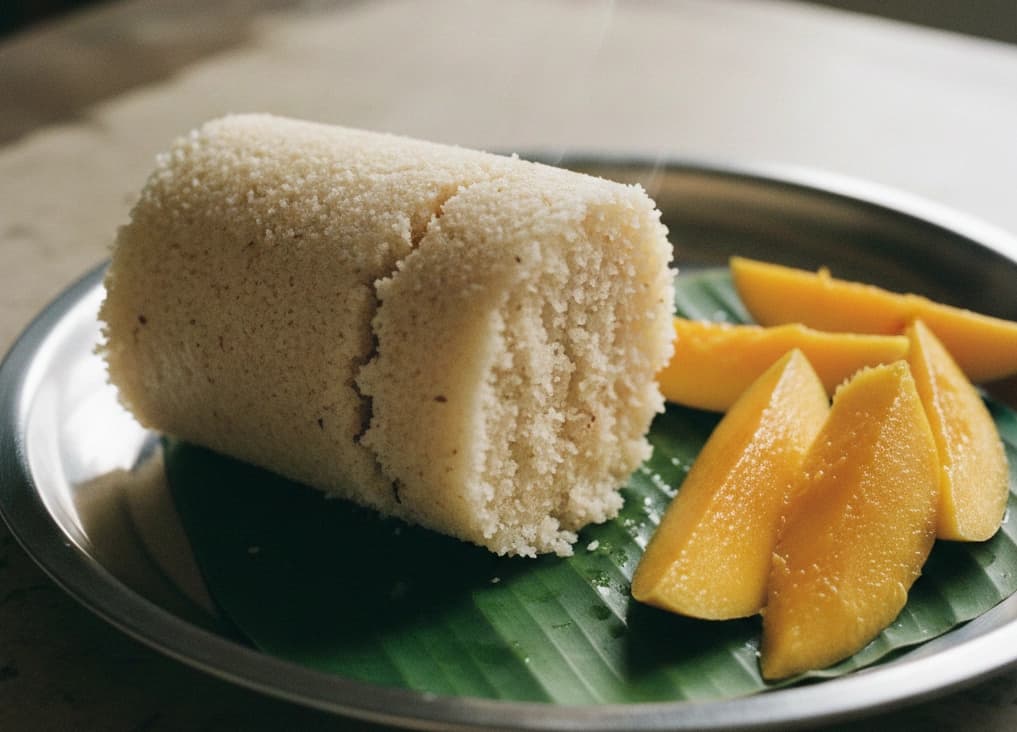
Kerala does not always follow culinary logic. It follows instinct. Across tea shops and home kitchens in Kerala, there exists a playful culture of food pairings simply called combi. Not recipes written in cookbooks. Not plated for fine dining. Just combinations discovered by appetite, repeated by habit, defended with emotion. Take puttu and payutha manga. Steamed cylinders of rice flour and coconut, mild and grainy, meeting the sharp bite of tender green mango crushed with salt and chilli. One is soft and warm. The other electric and raw. Together they wake each other up. Or pazham pori and beef. Ripe banana fritters fried golden, edges crisp, inside melting sweet. Beside it, dark beef curry slow cooked with pepper, roasted coconut, and spice. Sweet meets heat. Crisp meets gravy. It sounds improbable until the first bite settles the argument. Then there is the famous porotta and beef, perhaps the most argued and adored pairing in Kerala. Flaky layered parotta torn by hand, dipped into thick beef curry. It is late night food, roadside hotel food, post journey food. It is comfort layered in maida and spice. Recently, the combination found itself dragged into political conversation through narratives amplified by films like The Kerala Story and its surrounding propaganda debates. Yet on the ground, far from screens and slogans, porotta and beef remains what it has always been. A plate shared without ideology. A meal that belongs to labourers, students, travellers, families alike. Kerala’s combi culture goes further. Puttu and kadala curry is classic, but some add banana into the mix, sweet pressing into spice. Idiyappam with egg roast. Tapioca with fish curry so fiery it demands surrender. Neypathal dipped in mutton gravy. Even tea shop experiments like omelette inside a parotta folded with chilli sauce have loyal followers. And then comes the chollu, the saying that makes elders shake their heads and youngsters laugh. Halwa and mathi curry. Kozhikode halwa, jewel toned and glossy, sitting beside sardine curry rich with tamarind and red chilli. It sounds like mischief. It is mostly spoken as exaggeration, a metaphor for unlikely pairing. Yet somewhere, someone has probably tried it. What these combinations reveal is not confusion, but confidence. Kerala cuisine is secure enough to play. Sweet can sit beside savoury. Fruit can meet meat. Soft rice can greet raw mango. In tea stalls from Kozhikode to small towns inland, combi is discussed like strategy. Which curry suits which bread. Whether pazham pori tastes better with beef or with tea alone. These are not trivial debates. They are cultural conversation. Food in Kerala is rarely rigid. It bends. It experiments. It absorbs influence from Arab traders, Portuguese chillies, local harvests. So when someone says combi, it means more than pairing. It means curiosity on a plate. Some combinations are tradition. Some are rebellion. Some are jokes that turned serious. All of them belong.