 CUISINE
 HISTORY
 JOURNALS
 PEOPLE
 CONSERVATION
Colonial Era British-Made Heritage Bungalows in India
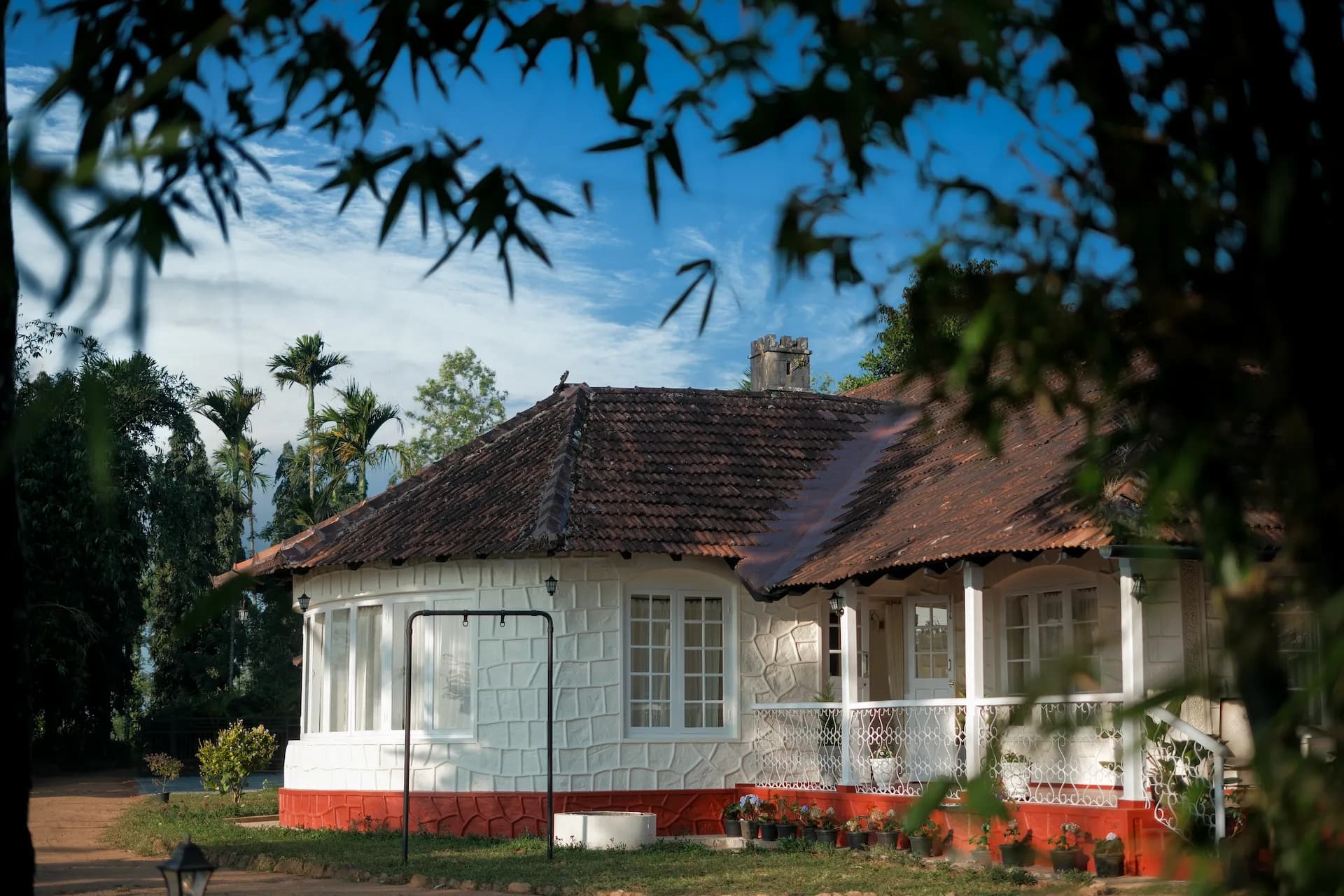
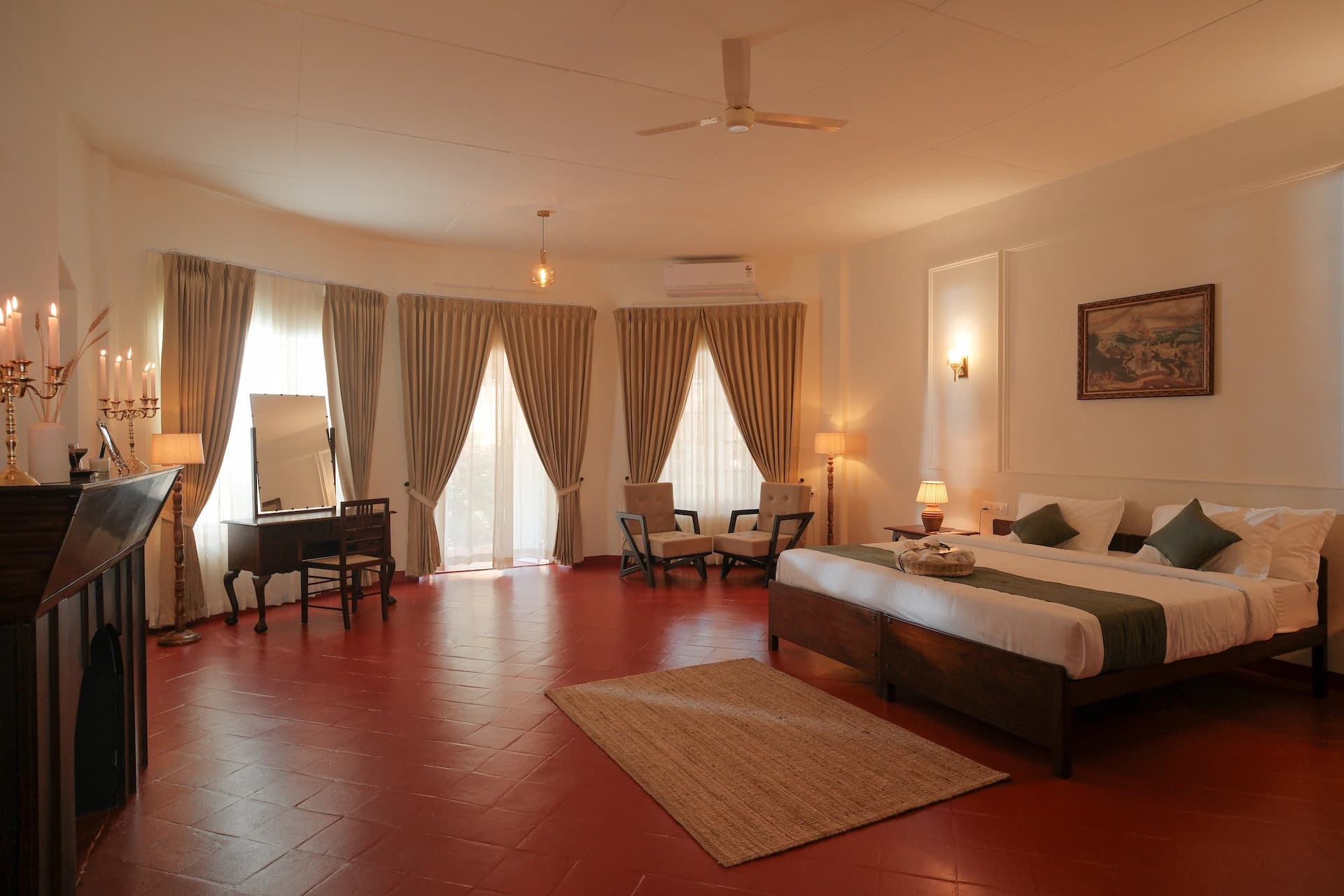
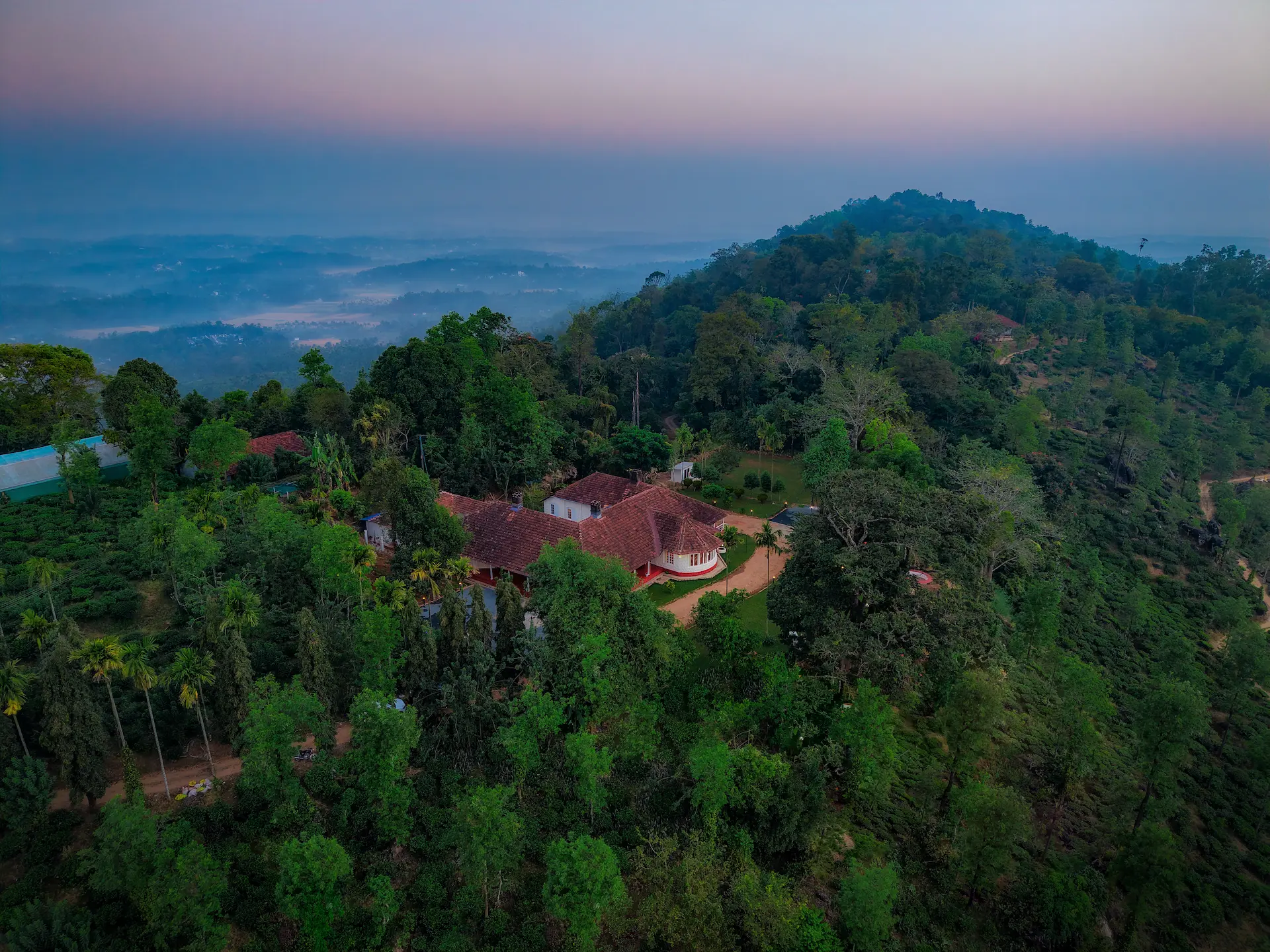
There was a time when architecture travelled with empire. It crossed seas in the minds of surveyors and engineers, arrived on Indian soil, and then slowly, almost reluctantly, began to change. The colonial-era British bungalow in India is one such transformation. It began as an imported idea of residence and authority, and over decades it softened into something rooted in Indian earth. The word bungalow itself comes from the Bengali term bangla, meaning a house in the style of Bengal. When the British encountered this low, verandah-wrapped structure in eastern India, they adapted it for their own needs. By the nineteenth century, the bungalow had become the preferred residential form for British officers, civil servants, and plantation managers across the subcontinent. In hill regions like Wayanad, Ooty, Darjeeling, and Shimla, these heritage bungalows took on a distinct character. They were often built on elevated ground, overlooking tea estates, forests, or valleys. Sloping roofs carried Mangalore tiles. Wide verandahs created a shaded buffer between wilderness and interior life. High ceilings allowed air to circulate. Thick stone or laterite walls responded to heavy rain and mountain chill. Fireplaces appeared even in tropical climates, gestures of memory toward distant England. The purpose of these bungalows was layered. They were residences, yes, but also administrative centres. In plantation economies, especially in the Western Ghats and northeast India, the manager’s bungalow functioned as the nerve centre of vast estates. From here, crop decisions were made, accounts maintained, and labour supervised. The house symbolised hierarchy within the colonial system, standing apart from workers’ lines and local settlements. The so-called Hundred House, remembered in estate histories as a manager’s residence overseeing extensive acreage, embodied this dual role of domestic space and authority. It was designed to command visibility, to observe the rhythm of plantations that once employed hundreds. Yet over time, its walls absorbed more than orders and ledgers. They absorbed languages, smells, silences, and festivals. Salary days brought temporary markets and gatherings. Malayalam songs drifted across lawns where English conversations once dominated. The bungalow became less a foreign implant and more a quiet meeting point of cultures. Colonial heritage bungalows in India are rarely purely British in construction. They relied heavily on local craftsmanship. Indian masons cut stone blocks. Carpenters shaped teak and jackfruit wood into doors and beams. Artisans adapted decorative motifs to suit climate and available materials. What emerged was Indo-European architecture, a hybrid shaped by negotiation rather than imitation. Beyond residential bungalows, the British also left behind other significant structures that continue to shape India’s landscape. In cities like Mumbai, grand Gothic Revival buildings such as Chhatrapati Shivaji Maharaj Terminus rose in stone and stained glass, blending Victorian ambition with Indian ornamentation. In Kolkata, Victoria Memorial was built in white marble as a monument to imperial presence. Hill stations like Shimla became seasonal capitals, dotted with churches, clubs, and administrative lodges that mirrored English towns in distant mountains. Railway stations, bridges, cantonments, and civil lines across India still carry the imprint of British planning. Yet among all these, the bungalow remains the most intimate legacy. It was where administrators lived, where families raised children, where evenings unfolded beside fireplaces while monsoon rain pressed against windows. After independence, many of these bungalows were repurposed, inherited, or neglected. Some became government residences. Others transformed into heritage homes and boutique stays. Their meaning shifted. No longer symbols of rule, they stand now as architectural archives, holding within their verandahs the complicated story of encounter between coloniser and colonised. In places like Wayanad, when mist gathers around a century-old manager’s bungalow, it no longer speaks of empire. It speaks of endurance. Of stone walls that have witnessed transition from plantation authority to local belonging. Of cultures that met not only in conflict but also in craft, cuisine, and shared landscape. The colonial-era British bungalow in India began as an assertion of presence. Over time, it became something else entirely. A structure claimed by climate, by moss, by memory, and by the many lives that passed through its rooms.