 CUISINE
 HISTORY
 JOURNALS
 PEOPLE
 CONSERVATION
Atithi Devo Bhava - The Guest is God.
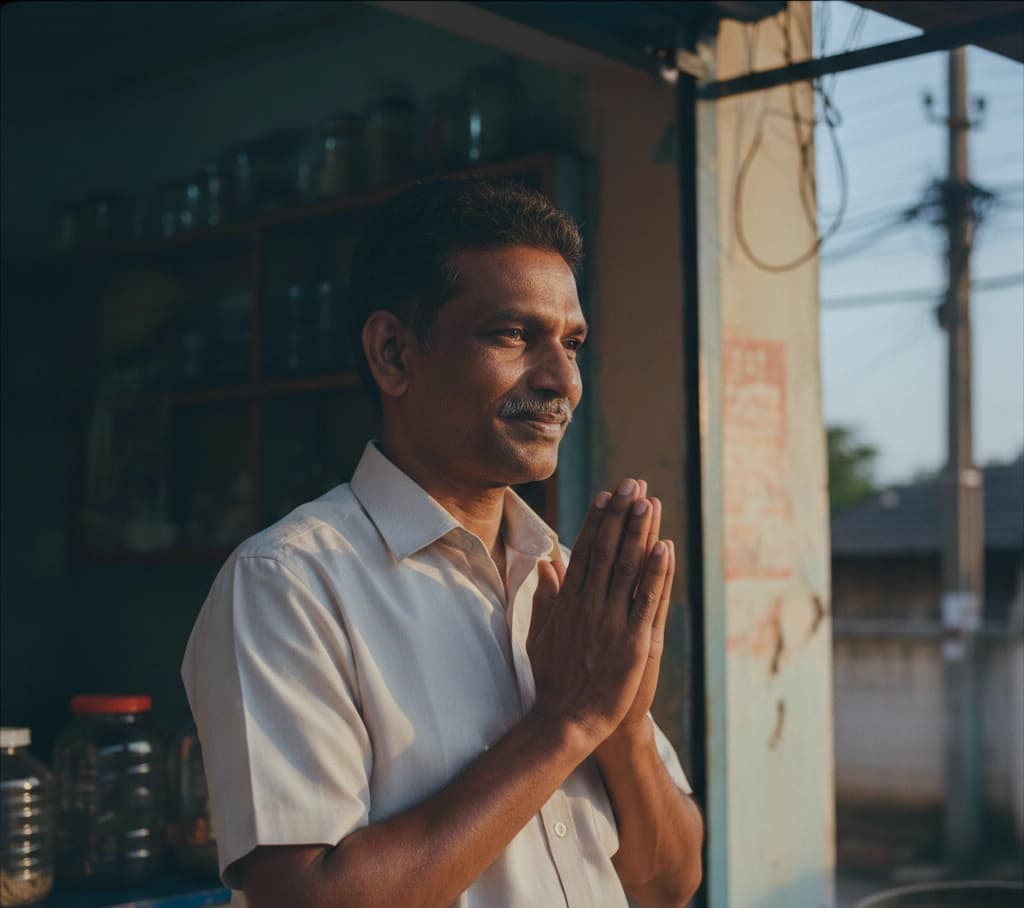
There is a phrase that lives quietly in the courtyards of Kerala, carried not in banners but in behaviour. Atithi Devo Bhava. The guest is divine. The guest is god. The words originate from ancient Sanskrit texts, part of the Taittiriya Upanishad, where the householder is instructed to revere the unexpected visitor as one would revere the sacred. In Kerala, this teaching did not remain scripture. It entered kitchens, verandahs, and the rhythm of daily life. When someone arrives at a traditional home in Kerala, there is no interrogation before warmth. Water is offered first, cool and steady, to settle the dust of travel. A chair is drawn closer. Tea appears without being requested. Food is served not in measured portions but in abundance, because hospitality here is not transaction. It is offering. In agrarian societies across the Malabar and Travancore regions, travellers once moved slowly, by foot or bullock cart. Inns were rare. Homes became shelters. To refuse a guest was considered both social and spiritual failure. Over generations, this ethic shaped the cultural backbone of the region. The ritual of lighting the nilavilakku lamp at dusk carries the same philosophy. Illumination is shared. The house is not merely private property but a space of welcome. Even today, during festivals or family gatherings, meals are served on banana leaves with the host standing, watching carefully, ready to refill rice before it empties. Kerala’s layered history of trade deepened this instinct. Arab merchants, Chinese sailors, Portuguese explorers, Dutch traders, British officers, all arrived on its shores. Ports such as Kozhikode and Kochi learned early that openness was survival. Hospitality became both virtue and diplomacy. The visitor was never just a stranger. He was potential friend, ally, witness. In modern tourism, the phrase has been adopted widely across India as a slogan. Yet in Kerala, it feels less like branding and more like inheritance. It lives in the way a homestay owner checks if you have eaten. In the way an elderly woman presses bananas into your hand as you leave. In the way conversations stretch long after the formalities are over. To treat a guest as divine does not mean worship. It means recognition. It means understanding that every visitor carries a story, a fatigue, a hope. And that to host is to hold space for all of it. In a world where hospitality often calculates margins, Atithi Devo Bhava remains a quiet resistance. It reminds Kerala that true welcome cannot be automated. It must be felt. And perhaps that is why, when you leave a Kerala home, you rarely feel like you were simply accommodated. You feel, for a brief moment, as though you were entrusted with something sacred.