 CUISINE
 HISTORY
 JOURNALS
 PEOPLE
 CONSERVATION
Architecture of Bungalows Built with Karinkal
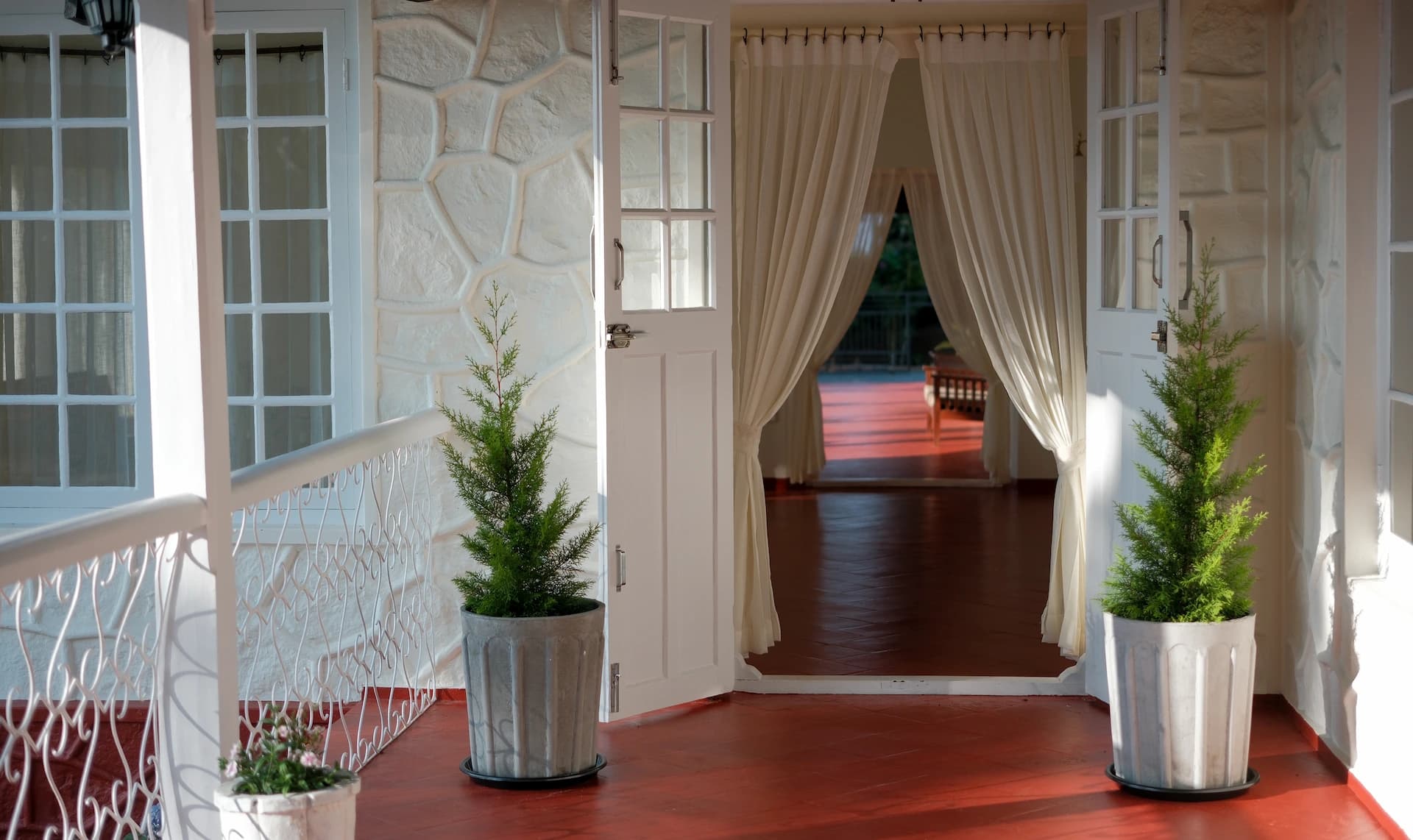
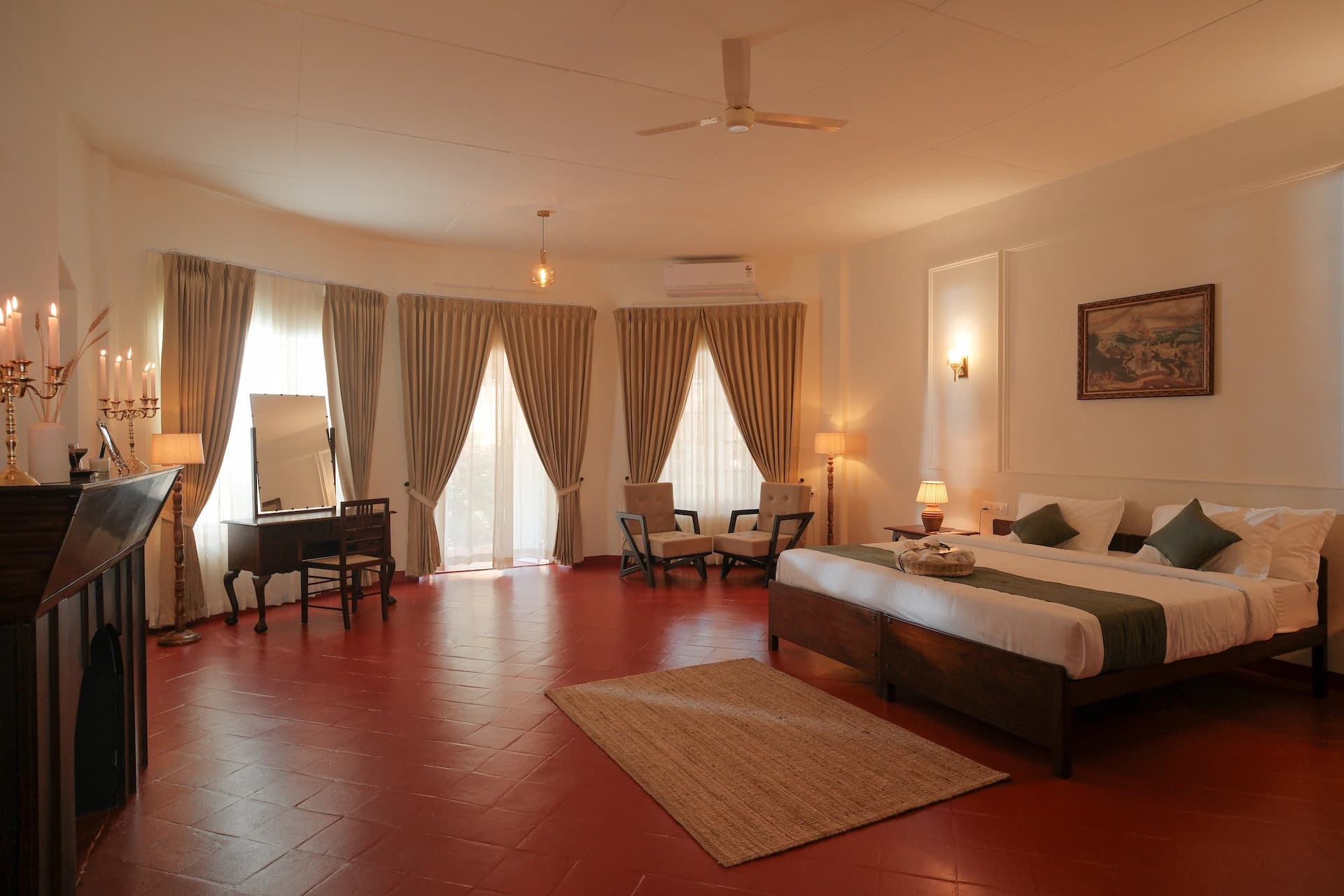
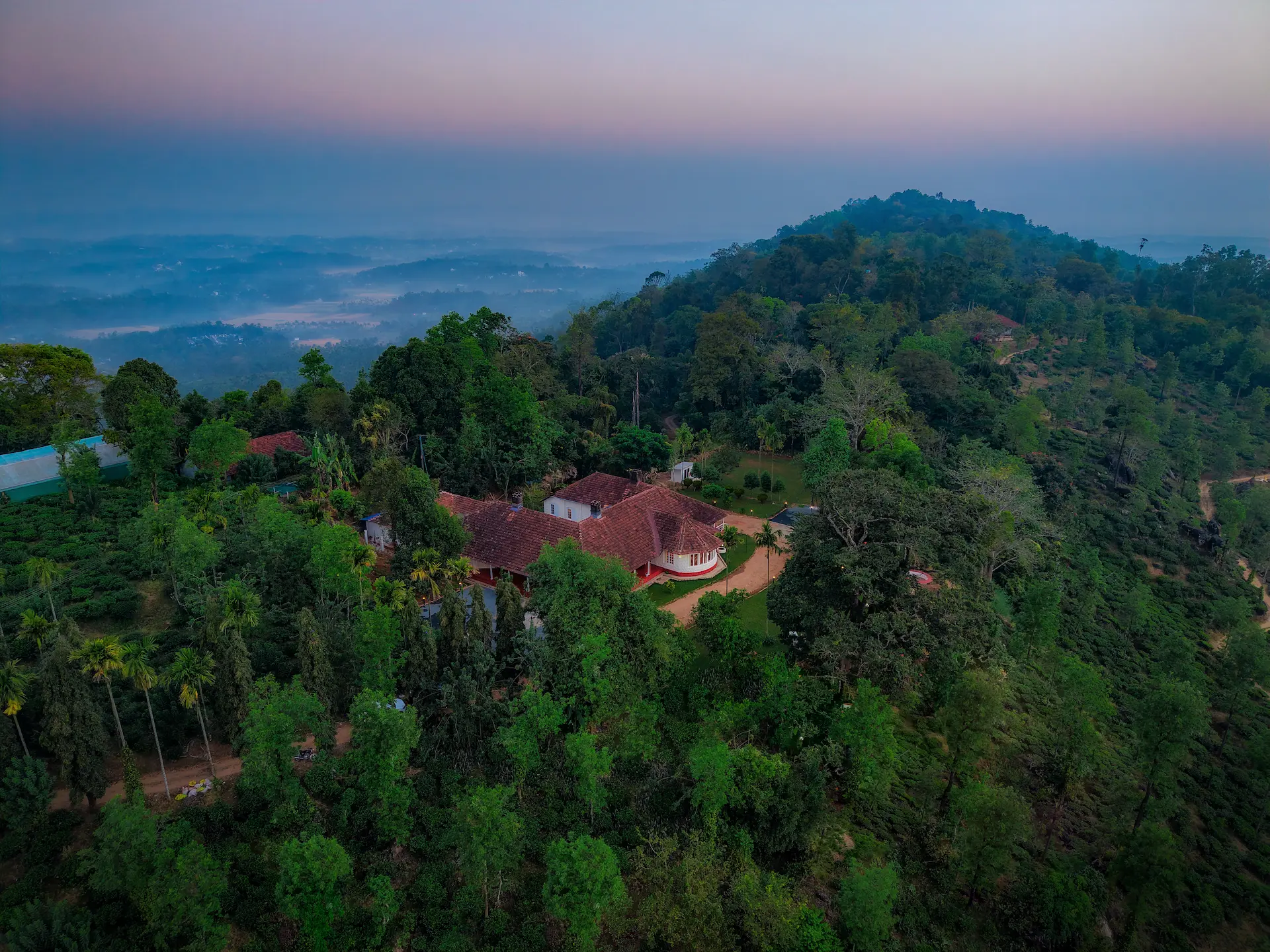
In the hills of Wayanad, there are houses that do not merely stand on the earth but seem to rise from it. Their walls are not painted dreams but carved patience. They are built from karinkal, the dark laterite stone that holds both monsoon and memory within its pores. Karinkal is not a fashionable material. It does not glitter. It does not pretend. It is quarried from the very soil it returns to, shaped by hand, lifted by human shoulders, stacked with an understanding that architecture here must listen to rain. In the colonial era across Kerala, especially in high altitude plantation regions, bungalows were constructed with thick laterite blocks because the hills demanded resilience. The monsoon was not a season but a force. The sun was not gentle either. Karinkal answered both. A bungalow made of karinkal breathes differently. The walls are heavy, sometimes two feet thick, insulating the interior from harsh heat and unexpected chill. During the rains, the stone darkens, drinking the water like an old farmer lifting his face to the sky. During summer, it holds coolness inside, creating rooms that feel naturally tempered. Long before the language of sustainable architecture entered design magazines, these homes practiced it quietly. The British planters who built estate bungalows in Wayanad adapted to local materials quickly. Imported brick would have cracked. Imported ideas would have failed. Karinkal, cut from the land, allowed structures to root deeply into terrain that was sloped, uneven, alive. Sloping tiled roofs crowned these stone walls, directing heavy rainfall away from foundations. Wide verandahs wrapped around the house, casting shade, creating thresholds between wilderness and interior life. But beyond function, karinkal carries a mood. There is a gravity to it. When you run your hand along a laterite wall, you feel texture that remembers chisels. Tiny cavities speak of the stone’s volcanic origin, formed through centuries of geological quiet. In the evening light, these walls glow not brightly but with a muted warmth, as though the house itself is holding back a story. The architecture of karinkal bungalows in the Western Ghats is also about proportion. High ceilings allow heat to rise. Large windows frame mist rolling over tea estates. Fireplaces are embedded into stone walls, their chimneys rising through tiled roofs like solemn declarations of survival. Every element responds to climate, to land, to the rhythm of plantation life that once unfolded around them. Today, when concrete rises quickly and uniformly, a karinkal bungalow feels almost defiant. It reminds us that buildings were once slow decisions. That houses were shaped with foresight for generations, not seasons. The stone ages gracefully. Moss settles into crevices. Vines begin to claim corners. Time collaborates rather than destroys. In Wayanad’s older estates, these stone bungalows remain testimonies to a meeting between colonial blueprint and indigenous material wisdom. Whatever their origins, they now belong entirely to the landscape. They mirror the dark earth after rain. They echo the strength of the hills. A bungalow built with karinkal does not seek admiration. It asks only to endure. And in that endurance lies its quiet poetry, standing against wind and monsoon, absorbing decades, becoming less of a structure and more of a presence.