 CUISINE
 HISTORY
 JOURNALS
 PEOPLE
 CONSERVATION
A Table That Remembered Malabar

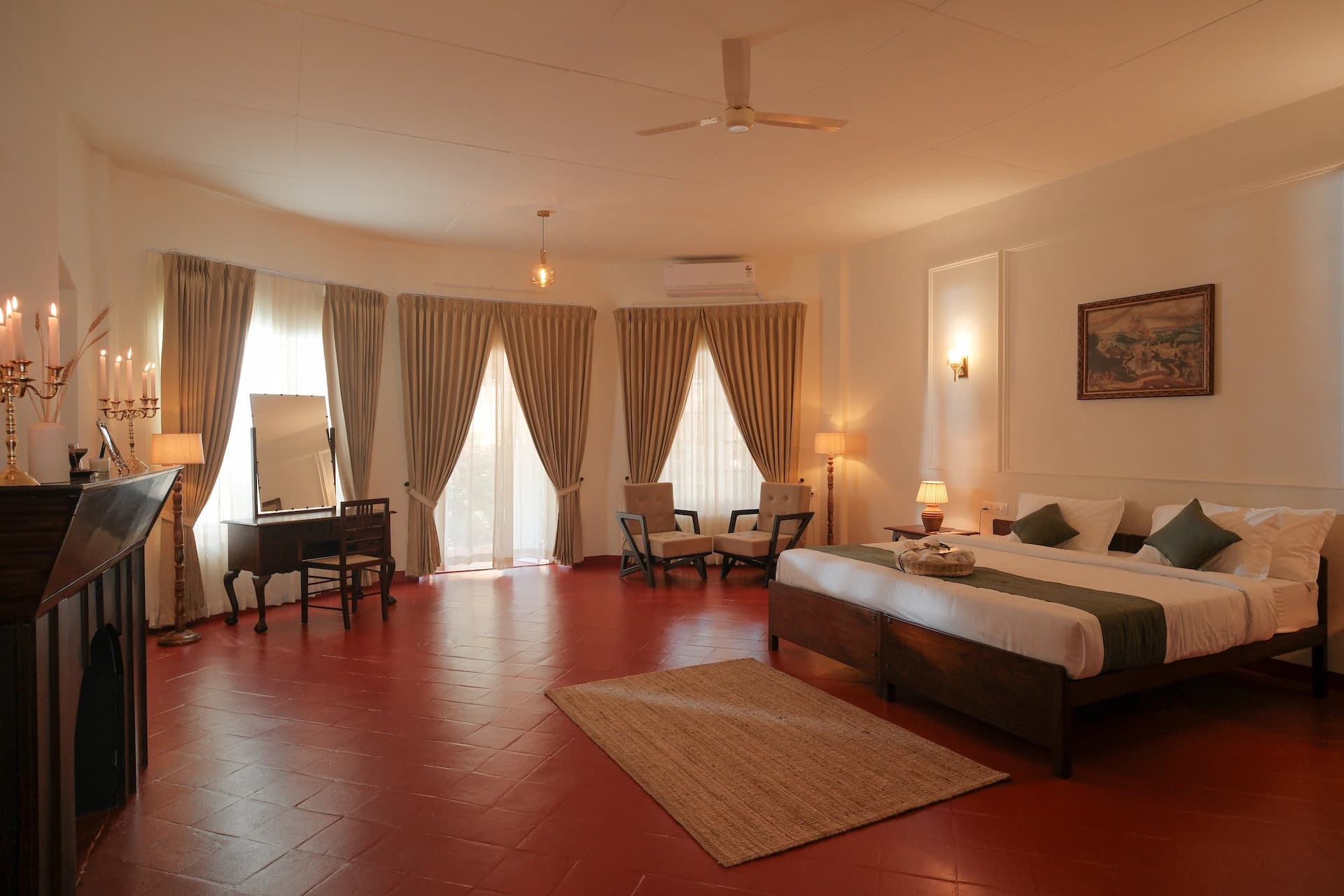
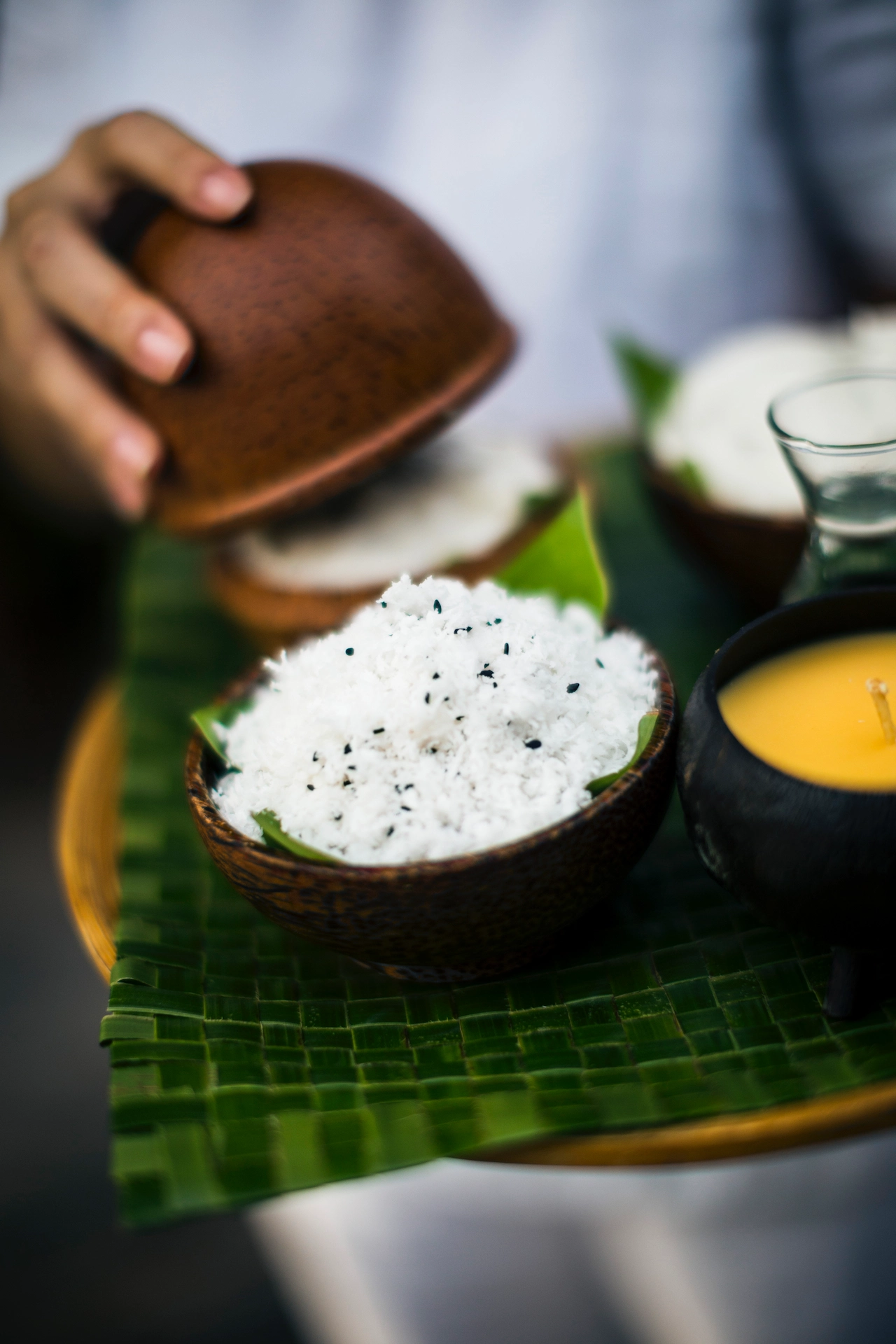
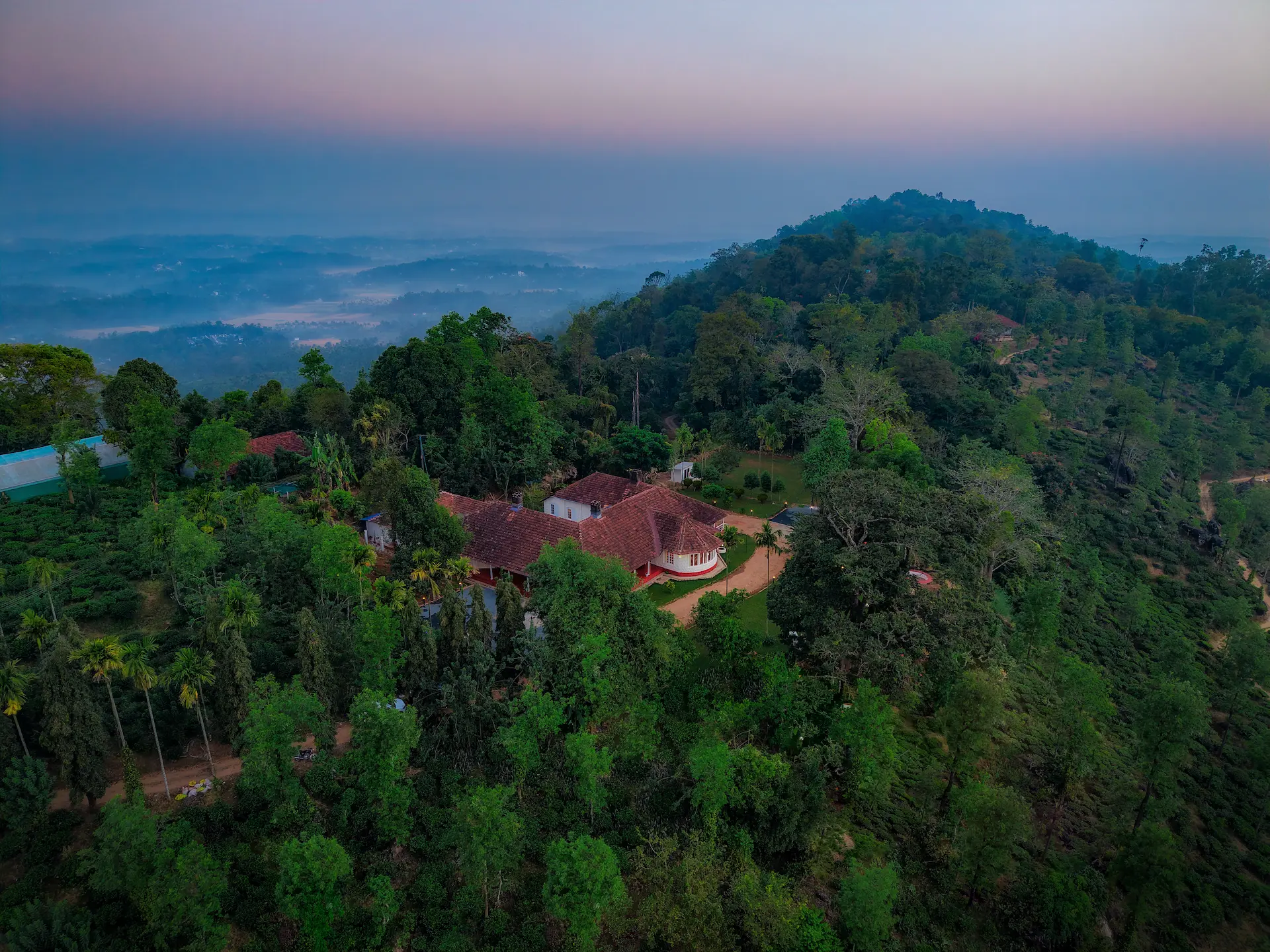
At The Hundred House, some evenings arrive with intention. Not loud, not announced, but carrying a quiet idea waiting to unfold. Kisah Stays has always been drawn to memory, to the things we grew up with and slowly forgot to notice. This time, the question was simple and difficult at once. What happens when the food of our childhood is seen again, but differently. Not changed beyond recognition. Not dressed up for the sake of novelty. But gently reimagined. A modern conversation with the traditional culinary heritage of Malabar. So the table was set. Nine courses, each one holding a fragment of home. Not as it was, but as it could be seen when time slows down and attention deepens. Flavours that once lived in everyday meals were given space to breathe. Pepper was not just spice, but memory. Coconut was not just ingredient, but texture and silence. Rice appeared in forms that felt both familiar and new, like a story told in a different voice. The house watched quietly. The red oxide floors held the weight of footsteps from another century. Fireplaces flickered softly against thick walls that have seen planters, workers, seasons, departures. Outside, the estate rested under a moving mist. The hills did not interrupt. They listened. Guests arrived from different places, carrying different lives into the same room. Some came with curiosity. Some with hunger. Some with no expectation at all. They sat down as individuals, but the table slowly began to rearrange them into something shared. Conversations moved easily, then paused, then deepened again. Food has a way of doing that. It removes the distance between strangers without asking permission. Among them was Tobias, who had been staying with us for some weeks. Long enough to understand the rhythm of mornings here. Long enough to recognise the silence between the trees. That night, he met Malabar through its flavours. A dish would arrive, and with it something unexpected. A taste that did not belong to his past, yet felt immediate. Not foreign. Just new. The kind of new that does not push you away, but invites you closer. The meal moved slowly. Each course arrived like a thought. Some playful, some quiet, some intense enough to stay back on the tongue. The familiar appeared and disappeared in different forms. A memory of a roadside meal. A whisper of a grandmother’s kitchen. A hint of something festive, something everyday, something almost forgotten. There was no rush toward the end. Somewhere between the fourth and fifth course, the idea of a structured dinner dissolved. It became something else. A gathering held together not by sequence, but by feeling. Laughter rose without effort. Silence settled without discomfort. Glasses touched lightly. Firelight moved across faces. Outside, the night in Wayanad remained still, as if it had stepped back to give space. This is what Kisah Stays seeks, without ever saying it too loudly. To take what we know and let us see it again. To bring people together not just to eat, but to experience something that lingers after the last plate is cleared. A modern expression of heritage that does not forget where it comes from. At The Hundred House, that evening did not end with the ninth course. It stayed back. In the walls. In the conversations that continued long after. In the quiet understanding that food, when treated with care, can become more than nourishment. It can become memory, rediscovered.